2026 Best Why Is the Forklift Tilt Cylinder Moving Slowly?

Time:2026-11-25 Author:Ethan
0%

A forklift tilt cylinder should respond smoothly, holding the mast steady as it moves forward or backward. When it creeps, hesitates, or struggles under load, the cause may involve low hydraulic fluid, restricted flow, worn seals, or a faulty control valve. The symptom matters. A mast that pauses with a load raised can create an unstable, difficult-to-control work situation.

Why is the forklift's tilt cylinder moving slowly? This guide examines practical causes, from fluid condition and filter restrictions to pump performance and internal cylinder leakage. OSHA’s powered industrial truck standard, 29 CFR 1910.178(q)(7), requires trucks to be examined before service and at least daily. Defective trucks must be removed from service. That requirement makes inspection more than routine paperwork. It is a useful starting point when tilt response changes. The U.S. Bureau of Labor Statistics’ Census of Fatal Occupational Injuries tracks workplace fatalities by event and equipment, offering broader safety context. Those records do not identify a slow cylinder’s mechanical cause, so diagnosis still depends on careful inspection.

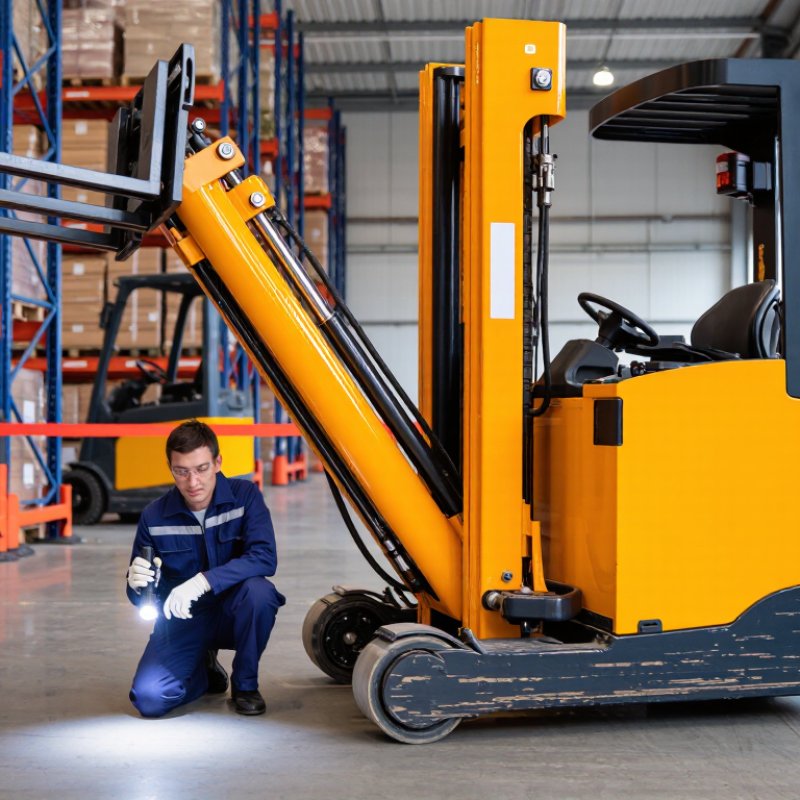
Look for damp hose fittings, foamy fluid, uneven mast movement, or a change in response when the hydraulic oil is warm. Small clues count. This article outlines safe checks, likely faults, and signs that call for qualified service. It also distinguishes observations from confirmed diagnoses; a slow tilt alone cannot prove which component has failed. That distinction is easy to overlook. Do not keep operating a truck with unreliable tilt response, especially when carrying a raised load.
2026 Best Why Is the Forklift Tilt Cylinder Moving Slowly?

How a Forklift Tilt Cylinder and Hydraulic System Work

2026 Best Why Is the Forklift Tilt Cylinder Moving Slowly?

A forklift tilt cylinder turns hydraulic pressure into mast movement. The pump draws oil from the reservoir and sends it through a control valve. When the operator moves the tilt lever, the valve directs oil into one side of the cylinder. Oil leaving the other side returns to the reservoir. This shifts the piston and tilts the mast forward or backward. Smooth movement depends on adequate oil flow, clean fluid, and sound seals.

A slow tilt can point to low fluid, a restricted filter, air in the system, or a leaking hose or cylinder seal. Small leaks count. A worn pump or sticking control valve can also reduce flow, especially when the oil is cold. A slow cylinder does not automatically mean the cylinder has failed; check the system before replacing parts. That distinction matters.

With the forklift parked safely and forks lowered, look for visible leaks and check fluid according to the service manual. Never loosen a pressurized hydraulic fitting. If the mast moves unevenly, makes unusual noise, or continues to creep, stop using the truck and have a qualified technician test pressure and flow. Diagnosis can be imperfect; symptoms often overlap, so measured results are more useful than guesswork.

Signs That the Tilt Cylinder Is Moving Slowly

A forklift tilt cylinder that moves slowly often reveals the problem during routine work, not only under a heavy load. The mast may tilt forward or backward at a crawl, even when the control lever is held steadily. A pause before movement is another clue. Compare the forks with a fixed shelf upright; gradual angle changes are easier to notice. The motion may also feel uneven, with a small jump followed by a sluggish drift. That pattern deserves attention. Restricted hydraulic flow, low fluid, a clogged filter, or internal cylinder leakage can cause similar symptoms, so slow movement alone does not confirm the fault.

Operators may notice the delay more after the hydraulic oil warms, or when handling a load near the forklift’s rated capacity. Tilt may feel weak while lifting and travel seem normal. Listen for a strained pump, and look for fresh oil around hoses, fittings, and the cylinder rod. Keep hands away from suspected leaks; pressurized fluid can cause serious injury. A visible oil film is useful evidence, but dry seals do not rule out internal bypass. If the mast cannot hold its angle or moves unpredictably, stop using the forklift and request a qualified inspection. It is tempting to blame the cylinder too quickly. Sometimes the restriction is upstream.

Common Causes of Slow Forklift Mast Tilting

A slow forklift mast tilt often points to a restriction or loss of hydraulic pressure. If the mast moves slowly in both directions, check the hydraulic fluid level and look for leaks around hoses, fittings, and the tilt cylinder. Low fluid can introduce air, causing jerky movement or a brief shudder. A clogged filter may also limit oil flow. Cold, thick fluid can make the problem more noticeable at the start of a shift.

The symptoms can overlap. A worn pump, a sticking control valve, or an incorrectly set pressure-relief valve may reduce flow to the cylinder. If the mast tilts slowly only when carrying a load, internal cylinder-seal leakage is one possibility; oil can bypass the piston without leaving a visible puddle. Compare movement with and without a load, and note any unusual noise or uneven travel. Don’t guess based on speed alone. Lower the forks, secure the truck, and have a qualified technician inspect the hydraulic system before continued use. Never reach beneath a raised mast. Sometimes the cause is simple; sometimes it isn’t.

How to Diagnose Tilt Cylinder and Hydraulic Problems

Slow tilt response can come from the cylinder, its control valve, or restricted hydraulic flow. Start with the symptom. Does the mast tilt slowly in both directions, or only while raising a load? Compare unloaded and lightly loaded movement on level ground, following the truck’s operating instructions. A change under load may point to a pressure or flow problem, but it is not proof of a failed cylinder.

Look for wet hose fittings, a damaged rod seal, kinked lines, or low hydraulic fluid. Check the fluid only as specified in the service manual; some systems require a particular mast position. A foamy or unusually dark sample deserves attention. Small details matter. A quick visual check can miss internal cylinder bypass, and I have seen symptoms that looked obvious turn out to be elsewhere in the circuit. If external checks reveal nothing, a qualified technician can compare hydraulic pressure and flow, inspect the control valve, and test for cylinder leakage.

Park on firm, level ground, lower the forks, and keep clear of the mast. Never reach beneath a raised assembly. Stop using the truck if the mast moves unpredictably or fluid is leaking heavily. Pressure testing and cylinder disassembly need proper equipment and service procedures.

Why Is the Forklift Tilt Cylinder Moving Slowly?

Example tilt-cylinder test: measured rod extension over 10 seconds. These illustrative readings are not a universal performance standard; compare your measurements with the forklift manufacturer’s specifications.

How to diagnose: If measured movement is below specification, check hydraulic oil level and condition, filter and hose restrictions, and system pressure and flow. If pressure and flow are within specification, inspect the tilt cylinder for internal leakage or binding. Follow the service manual and use appropriate safety procedures.

Repair Options and Ways to Prevent Slow Tilting

Slow tilting can come from restricted hydraulic flow, low fluid, a clogged filter, or worn cylinder seals. Start with simple checks: look for leaks, damaged hoses, and fluid below the specified level. A clean-looking hose proves little. Internal wear can slow the cylinder without leaving an obvious puddle.

For repairs, a qualified technician can check hydraulic pressure and flow, then inspect the tilt cylinder, control valve, and linkage. A leaking seal may need replacement; a restricted filter may need changing. Air in the system can also cause uneven movement, but bleeding should follow the forklift service procedure.

Lower the forks, park on level ground, and secure the machine before inspection. Never loosen a pressurized hydraulic connection. That matters.


Prevention is mostly routine, not complicated. Use the specified hydraulic fluid, replace filters at the service interval, and check hoses and fittings for damp spots. Keep the mast and tilt linkage clean, and report changes in speed early.

Cold fluid may move more slowly, so compare performance after normal warm-up. A pressure reading alone can mislead; load and oil temperature affect the result. Maintenance notes are sometimes incomplete, so record the load, temperature, and symptoms when slow tilting occurs.

FAQS

What are common signs of a slow-tilting forklift mast?

The mast may tilt forward or backward slowly, pause before moving, or jerk slightly. Compare the fork angle with a fixed shelf upright.

What can cause slow mast tilting?

Low hydraulic fluid, a clogged filter, restricted flow, or internal cylinder leakage are possible causes. A worn pump or sticking control valve may also contribute.

Does slow movement mean the tilt cylinder is faulty?

Not always. Similar symptoms can come from other parts of the hydraulic system, so speed alone does not confirm the cause.

Why does the tilt seem weaker with a load?

A problem may become more noticeable under load. Internal cylinder seals can allow oil to bypass the piston without leaving a visible puddle.

What should I check when the mast tilts slowly?

Note whether it happens with and without a load. Look for fresh oil near hoses, fittings, and the cylinder rod, and listen for unusual pump noise.

Can cold or warm hydraulic oil affect tilting?

Cold, thick oil may slow movement at the start of a shift. Symptoms may also become more noticeable after the oil warms.

When should I stop using the forklift?

Stop if the mast cannot hold its angle or moves unpredictably. Lower the forks and request a qualified inspection.

Is it safe to check beneath a raised mast?

No. Never reach beneath a raised mast, and keep hands away from suspected pressurized leaks. A small leak can be dangerous.

Conclusion

A forklift’s tilt cylinder works with the hydraulic system to move the mast forward or backward, relying on adequate fluid flow, pressure, and well-maintained components. When tilting becomes noticeably slower, less responsive, or uneven, the change may point to a problem with the cylinder or another part of the hydraulic circuit. Why is the forklift's tilt cylinder moving slowly? Common causes include low or contaminated hydraulic fluid, clogged filters, restricted hoses, air in the system, worn seals, internal cylinder leakage, or a weak pump.

A careful diagnosis can help identify the source before repairs begin. Check the fluid level and condition, inspect hoses and connections for leaks or damage, and look for signs of cylinder wear. If the cause is unclear, a qualified technician can test hydraulic pressure and flow. Repairs may involve replacing fluid or filters, clearing restrictions, repairing leaks, or servicing the cylinder or pump. Regular inspections, clean hydraulic fluid, and timely maintenance can help prevent slow mast tilting and support safer, more reliable operation.

Ethan

Ethan

Ethan is a seasoned marketing professional with a deep expertise in our company's innovative product line. With a passion for sharing knowledge and insights, he takes the lead in regularly updating our corporate blog, where he explores industry trends, product features, and effective marketing......