Why Solid Tires Outperform Pneumatic Tires for Warehouse Forklifts?

Time:2026-07-04 Author:Madeline
0%

In warehouse operations, efficiency and reliability are paramount. Forklift performance plays a critical role in meeting business demands. A key question arises: "Why are solid tires better than pneumatic tires for warehouse forklifts?"

Solid tires offer superior durability compared to their pneumatic counterparts. According to industry reports, solid tires can last up to 30% longer in demanding environments. This durability reduces the need for frequent replacements, ultimately saving costs. In contrast, pneumatic tires often face punctures and air pressure issues, leading to costly downtime.

Moreover, solid tires provide enhanced stability. They perform consistently in various conditions, including uneven surfaces and heavy loads. This stability is crucial for safety and productivity. Data suggests that forklifts using solid tires experience 20% fewer accidents due to their reliable grip. Despite the advantages, some users still prefer pneumatic tires for the comfort they provide. However, the long-term benefits of solid tires often outweigh this consideration. These factors highlight why businesses should choose solid tires for their warehouse operations.
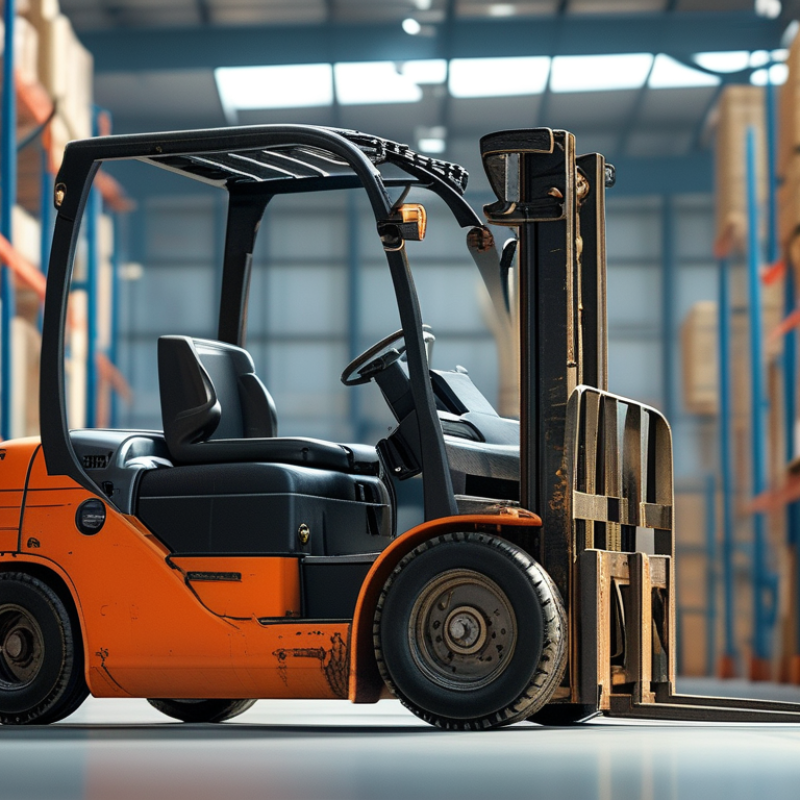
Why Solid Tires Outperform Pneumatic Tires for Warehouse Forklifts?

Characteristics of Solid Tires versus Pneumatic Tires

Solid tires and pneumatic tires serve distinct roles in forklift operations. Solid tires offer durability and consistency. They are designed to withstand heavy loads without the risk of punctures. Moving on, pneumatic tires provide a cushioned ride, which some industries prefer. However, this can lead to uneven wear and maintenance issues over time.

Solid tires excel in warehouses with rough surfaces. Their structure enhances stability and minimizes the chance of accidental blowouts. This property is beneficial for operators needing reliability in a fast-paced environment. In contrast, pneumatic tires may require frequent air pressure checks. An unfilled tire increases the risk of fatigue for operators.

Adopting solid tires may seem like the obvious choice for many. Yet, some operators still cling to pneumatic options due to previous experiences. They appreciate the comfort that comes with air-filled tires. It can be challenging to change long-held preferences. This resistance highlights the complexity of tire selection for warehouses.

Why Solid Tires Outperform Pneumatic Tires for Warehouse Forklifts?

Characteristic Solid Tires Pneumatic Tires
Durability High, puncture-proof Moderate, vulnerable to punctures
Maintenance Low, no inflation required High, require regular checks
Cost Higher initial cost Lower initial cost
Comfort Stiffer ride Softer ride, better shock absorption
Load Capacity High load capacity Varies, generally lower than solid
Surface Suitability Ideal for uneven surfaces Best for smooth surfaces

Advantages of Solid Tires in Warehouse Environments

In warehouse environments, solid tires offer several key advantages over pneumatic tires. One major benefit is durability. Solid tires can withstand heavy loads without the risk of punctures or air leaks. This reliability is critical in busy warehouses where downtime can lead to significant financial losses. Workers can focus on their tasks without worrying about tire failures.

Furthermore, solid tires provide better stability. Their design ensures a consistent contact surface with the ground. This stability enhances control when maneuvering around tight spaces, making it easier to navigate crowded aisles. Employees feel safer operating forklifts with solid tires, reducing the likelihood of accidents or mishaps.

However, some might argue that solid tires can create a harsher ride compared to pneumatic ones. Workers may notice increased vibrations, affecting comfort during prolonged use. It’s a valid concern that companies must address for employee satisfaction. The choice ultimately depends on balancing durability with operator comfort in specific warehouse conditions.

Limitations of Pneumatic Tires for Forklift Operations

Pneumatic tires are common in various applications. However, they present significant limitations for forklift operations in warehouses. One major issue is their susceptibility to punctures. Sharp objects on the warehouse floor can quickly deflate these tires, causing downtime and safety hazards.

Additionally, pneumatic tires can struggle with load stability. In high-capacity environments, they may not provide the required support. This can lead to tipping or accidental drops. Load fluctuation can affect performance, resulting in inefficiencies. Temporary solutions may not address the root problems, relying on constant maintenance instead of preventive measures.

Moreover, pneumatic tires experience pressure changes with temperature variations. A warm environment can increase tire pressure, while cold conditions cause it to drop. This variability creates uncertainty in handling characteristics and reduces reliability. Many operators often underestimate these factors but find themselves facing unexpected challenges in critical situations.

Comparison of Solid Tires and Pneumatic Tires for Warehouse Forklifts

Cost-Effectiveness of Solid Tires in Long-Term Use

Solid tires have gained popularity in warehouse settings for a reason. Their cost-effectiveness becomes apparent over time. In fact, studies show solid tires have a lifespan nearly twice that of pneumatic alternatives. This durability translates into lower maintenance costs and reduced downtime for businesses.

Pneumatic tires are susceptible to punctures and wear. A report by the Industrial Truck Association indicates that solid tires can save businesses up to 20% on operational costs over five years. These savings stem from their resilience and the reduced need for frequent replacements. When choosing tires, long-term financial impact must be considered.

Additionally, solid tires provide improved stability. They have a lower risk of blowouts, which is essential in busy warehouse environments. However, they can be less forgiving on uneven surfaces. It’s crucial for warehouse managers to assess floor conditions before making tire choices. This reflection can prevent unexpected issues and ensure efficient operations.

Safety and Stability Considerations for Forklifts Using Solid Tires

When choosing tires for warehouse forklifts, safety is paramount. Solid tires offer several advantages over their pneumatic counterparts, especially in terms of stability. These tires are puncture-proof, meaning they can withstand rough surfaces without the risk of flat tires. This leads to fewer accidents and downtime, creating a safer working environment. In a busy warehouse, where heavy machinery operates, the risk of tire failure can lead to potential hazards. Solid tires mitigate this risk effectively.

Moreover, solid tires provide better load-carrying capacity. They maintain their shape under heavy loads, which helps in distributing weight evenly. This stability is crucial when transporting goods through narrow aisles or tight spaces. Maintaining balance reduces the chances of tipping over. While pneumatic tires can lose pressure and affect stability, solid tires hold their form for consistent performance.

However, the choice of solid tires isn’t without drawbacks. They can produce a harsher ride on uneven flooring. This might lead to operator fatigue during long shifts. It's essential for warehouse managers to analyze the working conditions. Ensuring that the tire choice aligns with specific needs can enhance both safety and productivity. While solid tires excel in stability, managers must consider the comfort of their operators to provide a balanced solution.

FAQS

: What is the primary advantage of solid tires for forklifts?

: Solid tires offer durability and puncture resistance, ensuring safety in high-demand environments.

How do pneumatic tires affect warehouse operations?

Pneumatic tires can deflate easily, causing downtime and potential safety risks due to puncture hazards.

Why might operators prefer pneumatic tires despite their drawbacks?

Many operators value the comfort and cushioned ride provided by pneumatic tires over solid options.

What are the stability benefits of solid tires in warehouses?

Solid tires maintain their shape under heavy loads, distributing weight evenly and minimizing tipping risks.

Can temperature changes affect pneumatic tire performance?

Yes, temperature fluctuations can alter air pressure in pneumatic tires, leading to handling uncertainties.

What is a significant drawback of solid tires?

Solid tires can result in a harsher ride on uneven surfaces, potentially causing operator fatigue over time.

How can solid tires contribute to a safer working environment?

Their puncture-proof design reduces the likelihood of tire failure, decreasing accident rates in busy warehouses.

What should warehouse managers consider when choosing tires?

Managers need to assess working conditions to balance safety, tire performance, and operator comfort effectively.

Are there maintenance implications for pneumatic tires?

Yes, pneumatic tires often require constant air pressure checks and maintenance to avoid efficiency issues.

What challenge exists in switching tire types in warehouses?

Operators may resist changing from pneumatic to solid due to comfort preferences shaped by past experiences.

Conclusion

In considering the factors that govern the performance of forklifts in warehouse environments, one commonly asked question arises: "Why are solid tires better than pneumatic tires for warehouse forklifts?" Solid tires possess unique characteristics that lend themselves well to the rigorous demands of warehouse operations. Unlike pneumatic tires, solid tires are puncture-proof and provide greater stability, making them ideal for navigating tight spaces and uneven surfaces commonly found in warehouses.

The advantages of solid tires extend to their cost-effectiveness over time, as they typically require less maintenance and have a longer lifespan than their pneumatic counterparts. Additionally, the safety and stability of forklifts using solid tires are enhanced, reducing the risk of accidents caused by tire blowouts or deflation. Overall, solid tires offer superior performance in the warehouse context, making them a more reliable choice for enduring heavy-duty usage.

Madeline

Madeline

Madeline is a dedicated marketing professional with a wealth of expertise in our company's core offerings. With a keen understanding of the industry, she brings a unique perspective to her role, consistently delivering high-quality content that highlights the superior aspects of our products. As......