Forklift operators often encounter a frustrating challenge: "Why does my forklift steering wheel feel heavy or stiff?" This issue can significantly impact productivity and pose safety risks. According to industry reports, around 30% of forklift accidents stem from steering or handling difficulties. A stiff steering wheel can lead to operator fatigue and increase the likelihood of errors.
Several factors contribute to this problem. Inadequate lubrication, worn components, or air in the hydraulic system can all create excessive resistance. Interestingly, research shows that regular maintenance can reduce steering issues by up to 40%. However, many operators overlook this crucial aspect, leading to persistent difficulties and decreased equipment lifespan.
It's essential to diagnose the root cause of steering stiffness. Ignoring the signs can escalate minor issues into costly repairs. Operators must remain vigilant and proactive. The more informed they are, the better they can maintain their equipment. Understanding why the steering wheel feels heavy is the first step toward safer and more efficient operation.
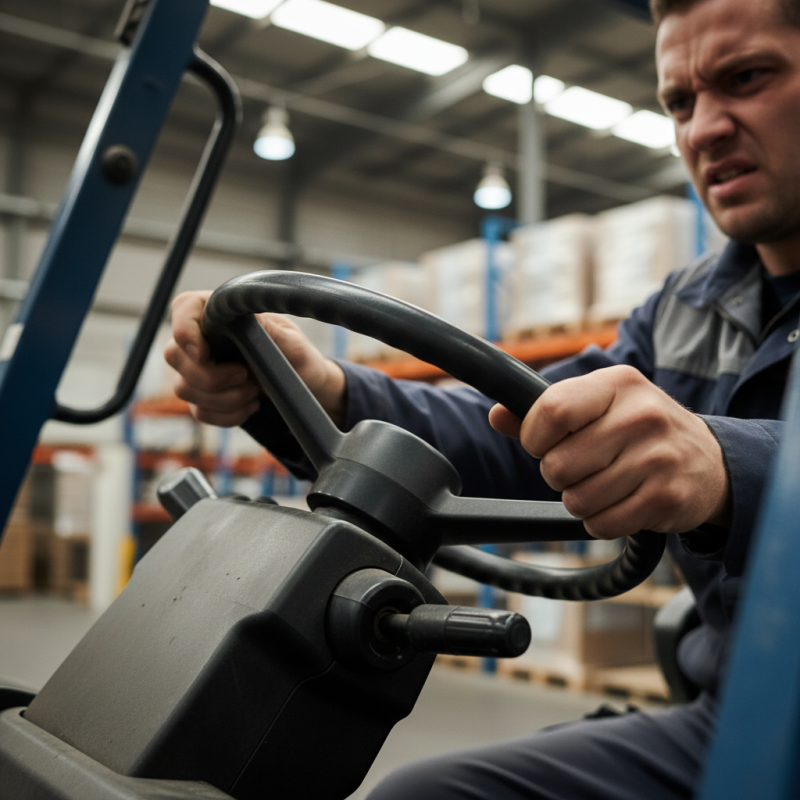
Stiff or heavy steering in forklifts can significantly affect operation efficiency. One primary cause is low hydraulic fluid levels. Forklift steering systems rely on hydraulic power for smooth operation. According to industry reports, nearly 30% of steering issues stem from inadequate fluid levels. Regular checks are essential for maintaining optimal performance.
Another contributing factor could be worn-out bearings in the steering column. When bearings deteriorate, they create friction, making it harder to turn the wheel. Studies show that forklifts with neglected maintenance experience about 40% more steering problems. Operators should inspect components routinely to ensure everything functions correctly.
Additionally, tire issues can amplify steering difficulties. Overinflated or underinflated tires alter the forklift’s handling dynamics. Research indicates that tire condition directly affects steering responsiveness. If operators notice inconsistent performance, they should check the tires immediately. Repairing these issues not only promotes safety but can enhance overall productivity. Regular assessments create a safer work environment.
A forklift’s steering wheel can feel stiff or heavy due to various hydraulic system issues. The hydraulic system plays a crucial role in steering performance. If the hydraulic fluid is low, it can lead to greater resistance when turning the wheel. According to industry data, nearly 30% of forklift steering issues are linked to insufficient hydraulic fluid levels.
Another common problem is the deterioration of hydraulic hoses. A damaged or kinked hose can restrict fluid flow. This restriction creates excess pressure, making steering difficult. In fact, reports indicate that hydraulic system maintenance can reduce steering problems by up to 50%. Regular checks can help identify these issues early.
Additionally, the hydraulic pump itself can fail. When this happens, the power steering assistance diminishes, resulting in a heavy steering situation. Operators should also consider the age and wear of the hydraulic system components. Neglecting timely maintenance can lead to costly repairs and unsafe working conditions. A proactive approach can help alleviate stiffness in steering and enhance overall forklift operation.
Tire pressure plays a crucial role in how responsive forklift steering can be. When the pressure is too low, the tires can deform more than intended. This deformation increases the effort required to turn the steering wheel. Operators may feel as if the steering has become stiff or heavy, making maneuvering challenging.
Proper tire pressure ensures optimal contact with the surface. Well-inflated tires provide stability and enhance steering responsiveness. When tires are excessively inflated, however, it can also lead to a stiff steering feel. This creates an imbalance, causing wear and tear on other components. Regular tire inspections and maintenance are essential for a smooth operation.
Operators sometimes overlook tire pressure during routine checks. They might focus on other maintenance areas, neglecting this vital aspect. This oversight can lead to increased strain on the steering mechanism. Over time, it can lead to costly repairs or replacements. Being attentive to tire pressure can significantly improve the overall handling of the forklift. A little effort in this area goes a long way in ensuring safety and efficiency on the job site.
| Tire Pressure (psi) | Steering Responsiveness | Common Issues | Recommended Action |
|---|---|---|---|
| 20 | Very Responsive | Minimal effort needed | Maintain current pressure |
| 18 | Responsive | Slight heaviness | Check and adjust pressure |
| 16 | Heavy | Noticeable struggle to steer | Inflate tires to recommended level |
| 14 | Very Heavy | Significant effort required | Immediate inflation required |
| 12 | Critical | Difficult to steer, unsafe | Do not operate; fix pressure |
Forklift steering issues can significantly affect operational efficiency. A stiff or heavy steering wheel often indicates wear in the steering linkage. Operators may notice difficulty turning the wheel, especially at low speeds. This can lead to increased fatigue and frustration during long shifts. Pay attention to how the wheel feels when you maneuver.
Symptoms of steering linkage wear include excessive play and unresponsiveness. You might hear noises like clunking or grinding as the forks are turned. Additionally, the forklift might pull to one side, indicating that the linkage is not aligned properly. Regular inspection is essential; a worn-out linkage could eventually lead to a steering failure, posing safety risks.
Immediate attention is crucial when symptoms arise. If operators feel that steering becomes heavier or less responsive, it is time to serve the forklift. Ignoring these signs can result in more extensive repairs. A simple check of the steering components could save time and money in the long run. Consider keeping a maintenance log to track changes over time. This practice helps pinpoint issues before they escalate.
Maintaining your forklift’s steering system is essential. A stiff steering wheel can cause frustration and reduce efficiency. Regular preventive maintenance can help identify issues early. Start with checking the hydraulic fluid levels. Low fluid can lead to increased steering effort.
Inspect the steering linkages and components for wear and tear. Over time, parts may become loose or rusted. A simple visual inspection can reveal much. Don't ignore strange noises while turning or difficulty in maneuvering. These are signs you need to act.
Ensure proper lubrication of all moving parts. Greasing the joints can make a significant difference. Also, check the tire conditions. Under-inflated tires can affect steering response and make it feel heavier. Regular maintenance is not just a good practice; it’s a necessity for safe operations. Taking these steps can lead to smoother steering and a more enjoyable experience.
: Tire pressure significantly affects steering responsiveness. Low pressure can make steering tough and heavy.
Proper tire inflation enhances stability and contact with surfaces, improving overall steering responsiveness.
Symptoms include a stiff steering wheel, excessive play, and strange noises when turning.
Neglecting tire pressure can strain the steering mechanism, leading to costly repairs over time.
Regular checks should be scheduled to identify issues early and ensure smooth operations.
Immediate action is necessary. Operators should inspect components and serve the forklift as needed.
Regularly check hydraulic fluid, inspect linkages, and ensure proper lubrication of moving parts.
Yes, under-inflated tires can increase steering effort and reduce operational efficiency.
Keeping a maintenance log can help track changes and pinpoint issues before they escalate.
It prevents difficulties in steering, ensuring safety and improving overall handling on the job site.
If you've ever wondered, "Why does my forklift steering wheel feel heavy or stiff?" there are several potential causes to consider. Commonly, issues with the hydraulic system can lead to decreased steering responsiveness, making it difficult to maneuver the forklift. Additionally, insufficient tire pressure can significantly affect steering performance, as well as signs of wear in the steering linkage that can exacerbate stiffness.
To prevent these steering difficulties, regular maintenance is essential. This includes checking hydraulic fluid levels, ensuring tires are properly inflated, and inspecting steering components for wear. By proactively addressing these areas, operators can ensure smoother operation and reduce the risk of steering problems, ultimately enhancing overall forklift performance and safety.

BestDeal Forklifts