Forklift masts are essential for lifting heavy loads, but a common issue arises: hydraulic oil leaks. Many operators often find themselves asking, "Why is my forklift mast leaking hydraulic oil?" This question highlights a significant problem that can lead to equipment failure. Understanding the causes may prevent more costly repairs in the future.
Hydraulic systems rely on pressurized oil for efficient operation. Therefore, even small leaks can disrupt performance significantly. Various factors can contribute to this issue, such as worn seals, damaged hoses, or even improper maintenance. Addressing leaks promptly is essential to maintain safety and efficiency.
Professionals recommend regular inspections to detect early signs of wear. Operators need to be aware of the impact of neglecting small leaks. A small drip may seem harmless initially, but it can lead to larger failures over time. Reflecting on maintenance habits can provide insights into improving equipment longevity.
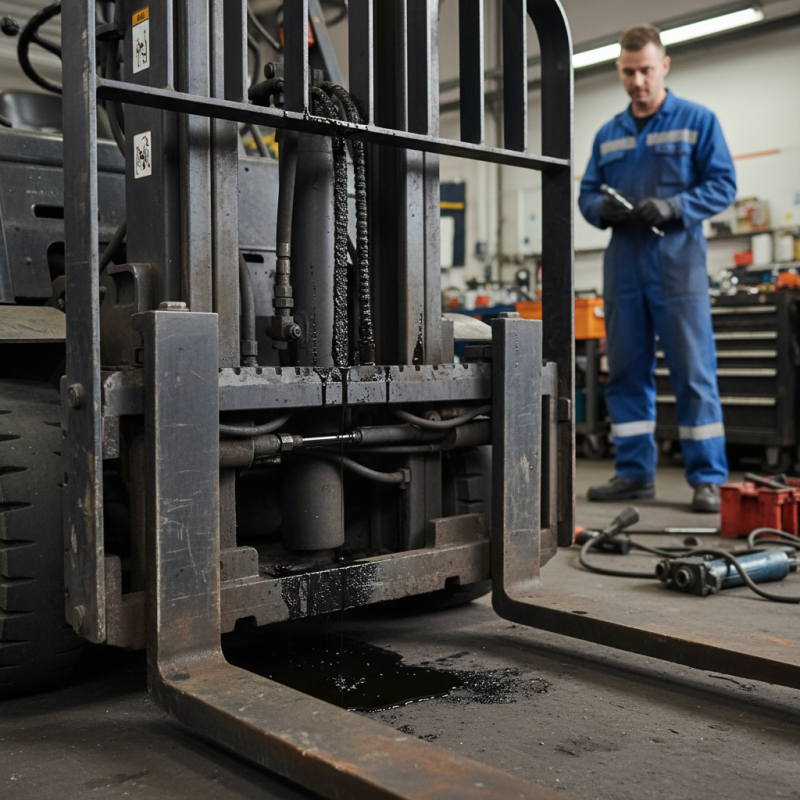
Identifying hydraulic oil leaks in forklift masts starts with recognizing key signs. First, look for wet spots on the mast. These spots can be small but indicate a leak nearby. Also, check for oil puddles beneath the forklift. This is a clear sign that something is wrong. Observe any changes in the forklift's handling or movement. If it feels sluggish, a leak might be to blame.
Inspect the mast’s seals and hoses regularly. Damaged seals often leak oil. Sometimes, the hoses may crack or wear out, leading to leaks. Listen for unusual sounds while operating the forklift. A hissing sound often suggests escaping hydraulic fluid. Regular maintenance is crucial. Ignoring these signs can lead to bigger issues later on. A small leak today can become a major problem tomorrow. Understanding these signs helps in quick fixes.
Hydraulic oil leaks in forklift masts are a common issue that operators face. Understanding the causes can enhance maintenance efforts. One primary cause is worn seals within the mast. Over time, these seals can degrade due to constant pressure and exposure to oil. A study from the Industrial Truck Association states that nearly 30% of forklifts suffer from hydraulic system failures.
Another significant cause is damage to hoses or fittings. If the hoses experience cuts or abrasions, leaks will occur. Inadequately tightened fittings can also create weak spots. This issue can arise from regular use, leading to a gradual loss of hydraulic fluid. According to the American National Standards Institute, proper inspection intervals can help identify these problems early, reducing costly repairs.
Tips: Regular inspections are crucial. Operators should check seals and hoses for wear or damage. Keeping a log of maintenance can also aid in tracking performance. Be mindful of any unusual oil puddles, as they can indicate a leak. Addressing these issues promptly can improve the forklift's lifespan. Remember, a small leak today could lead to major problems tomorrow. Taking action now is essential.
Inspecting a leaking forklift mast requires careful observation and a methodical approach. Start by cleaning the mast and surrounding area. Use a cloth to wipe off any accumulated dirt and oil. This will help you identify the source of the leak more easily. Look for signs of damaged seals or hoses. Small tears or wear can sometimes go unnoticed. Check all hydraulic connections for any loose fittings.
Next, lower the mast completely and extend it to inspect the entire assembly. Pay attention to the chrome plated rods. Any scratches or pitting could lead to leaks. Use a flashlight to examine hard-to-see areas. It’s crucial not to overlook the simple details. They can be the difference between a quick fix and a costly repair. Don't hesitate to consult the manufacturer's guidelines for specific inspection tips related to your forklift model.
After your inspection, mark any areas that need attention. It’s easy to forget where potential issues lie. Sometimes it’s the smallest leaks that create the biggest problems. Addressing these leaks promptly can prevent further damage to the mast and ensure safe operation. Always reflect on what could have been done earlier to prevent this issue from arising. Keeping a maintenance log can also help track recurring issues.
| Step | Action | Tools Needed | Estimated Time |
|---|---|---|---|
| 1 | Inspect the Mast for Visible Leaks | Flashlight | 10 minutes |
| 2 | Check Hydraulic Oil Levels | Dipstick or Oil Level Gauge | 5 minutes |
| 3 | Tighten Loose Fittings and Connections | Wrench Set | 15 minutes |
| 4 | Replace Damaged Seals or Gaskets | Seal Kit, Screwdriver Set | 30 minutes |
| 5 | Refill Hydraulic Oil | Hydraulic Oil Container, Funnel | 10 minutes |
| 6 | Test the Mast Functionality | N/A | 5 minutes |
Dealing with a forklift mast that leaks hydraulic oil can be a hassle. Focus on the seals and gaskets first, as they are common failure points. Inspecting these components can save time and costs associated with more extensive repairs.
When checking seals, look for wear or distortion. A cracked seal can lead to significant leaks. Measure the groove dimensions to ensure the replacement part fits correctly. Smearing a tiny amount of hydraulic fluid on the new seal can ease the installation process. Remember, replacing gasket materials is equally crucial. Old, worn-out gaskets can contribute to leaks and reduce performance.
Tips for better maintenance: Regularly inspect your forklift for signs of wear. If you notice oil leaks, address them immediately. Clean the mast and surrounding areas to spot leaks more easily. Document every repair for future reference. Over time, this record will help identify recurring issues or necessary upgrades. The goal is to maintain optimal performance and avoid extended downtime.
Preventing hydraulic oil leaks in forklifts is crucial for ensuring operational efficiency. Regular inspections are key. Check seals, hoses, and connections frequently. Visual inspections can reveal potential issues before they escalate. For instance, look for signs of wear or fraying on hoses. This can save time and prevent costly repairs down the road.
Tips: Maintain clean work environments. Dirt can contaminate hydraulic systems, leading to leaks. Use lint-free cloths when cleaning components. Keep your forklift manuals handy for reference. Follow manufacturer guidelines for maintenance tasks to ensure all aspects of the hydraulic system are covered.
Employee training plays a vital role. Ensure operators understand their forklift controls and report any irregularities immediately. Sometimes, small leaks go unnoticed until they become serious issues. Encourage a culture of vigilance and regular reporting to keep equipment in peak condition. Investing in proper training leads to a more reliable operation.
: Worn seals and damaged hoses are major causes. Seals degrade over time, while hoses may get cuts or abrasions.
Regular inspections can identify issues early, reducing costly repairs. Operators should check seals and hoses for wear.
An unusual oil puddle often indicates a leak. Address these issues promptly to avoid further damage to the forklift.
Clean the mast and check for damaged seals and hoses. Examine all hydraulic connections for any loose fittings.
A maintenance log helps track performance and recurring issues. It’s beneficial for identifying patterns in forklift operation.
Look for scratches or pitting on chrome plated rods. These small signs can lead to significant leaks if overlooked.
Dirt contamination can lead to hydraulic leaks. Keeping the workspace clean minimizes the risk of contamination.
Operators trained to report irregularities can prevent small leaks from escalating. Encouraging vigilance supports overall forklift health.
Mark areas needing attention to avoid forgetting potential issues. This helps in prompt addressing and maintenance.
Reflecting on preventive measures can reduce leak occurrences. Observing and acting on minor signs minimizes future problems.
If you’re wondering, "Why is my forklift mast leaking hydraulic oil?", it’s essential to first identify the signs of hydraulic oil leaks. Common indicators include wet spots on the mast and a drop in hydraulic fluid levels. Various factors can contribute to these leaks, such as worn seals, gaskets, or damaged components.
To effectively address the issue, a step-by-step inspection of the forklift mast is necessary. This involves checking for cracked seals and ensuring all connections are secure. Once the source of the leak is identified, appropriate repair techniques can then be applied, such as replacing seals or tightening fittings. Additionally, implementing preventive measures, like regular maintenance checks and using high-quality seals, can help avoid future hydraulic oil leaks and keep your forklift operating efficiently.

BestDeal Forklifts