Electric forklifts are a cornerstone of efficient material handling in warehouses and factories. However, a common issue many operators face is the frustrating question: "Why is my electric forklift battery not holding a charge?" According to industry reports, approximately 30% of electric forklift downtime is related to battery performance. Understanding the factors that contribute to battery inefficiency is essential for optimizing operations.
Batteries can lose their charge due to various reasons, including improper maintenance or wear over time. For instance, a study from the Forklift Battery Manufacturers Association notes that regular maintenance can extend battery life by up to 30%. However, many users overlook this aspect, leading to costly replacements. Furthermore, environmental conditions where forklifts operate can also affect battery performance significantly.
In exploring the reasons behind battery failure, it is crucial to recognize the symptoms early on. Operators must be aware of inconsistent charging cycles and decreased runtime. Such signs should prompt immediate action. Delaying attention may result in larger issues down the line, affecting productivity. Understanding these elements helps address the central concern of battery reliability in electric forklifts.
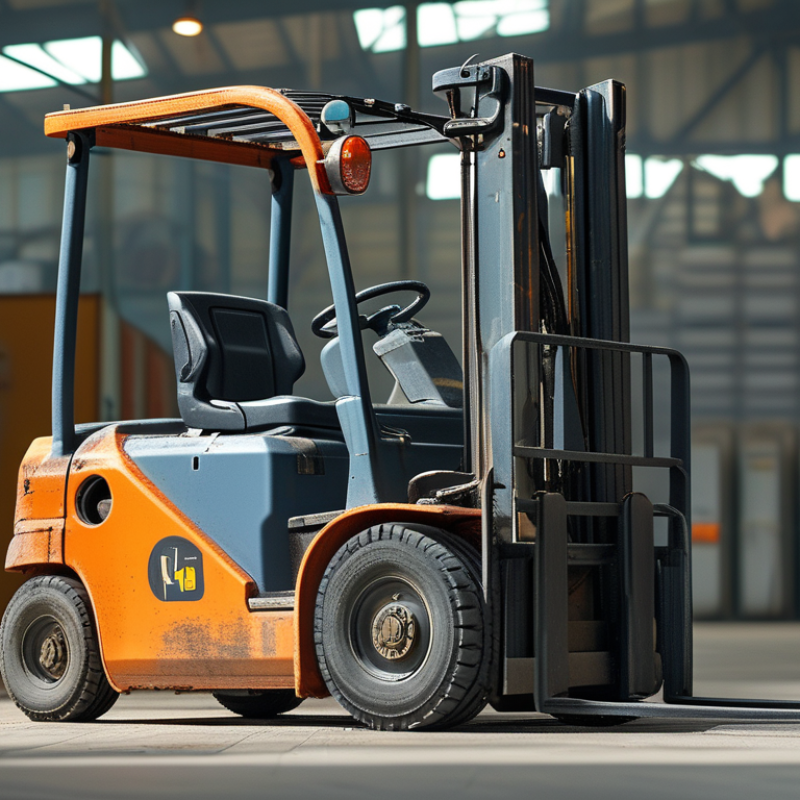
Understanding Electric Forklift Battery Basics and Chemistry
Understanding electric forklift batteries is essential for optimizing performance. These batteries typically rely on lead-acid or lithium-ion technology. Lead-acid batteries, being more common, offer a cycle life of approximately 1,200 to 1,500 charges. In contrast, lithium-ion batteries provide a longer lifespan, reaching up to 5,000 cycles. Understanding these chemical properties helps in determining why a battery may not hold a charge effectively.
Chemistry plays a significant role in battery performance. Factors such as temperature, charging rates, and maintenance practices can significantly influence battery efficiency. For instance, lead-acid batteries operate best between 20°C and 25°C. Operating outside this temperature range can result in diminished charge retention. Research indicates that 30% of electric forklift batteries fail to meet their expected lifecycle due to improper maintenance or usage conditions.
The signs of a failing battery often include diminished power during use and longer charging times. Testing the specific gravity of the battery electrolyte can provide insight into its health. Regular monitoring can prevent premature battery failure. If issues arise, reflective practices such as reassessing charging habits and maintenance schedules are essential. Understanding the science behind battery technology can lead to more informed decisions and improved operational efficiency.
Common Causes of Electric Forklift Battery Discharge Problems
Electric forklifts play a crucial role in warehouse operations, and their batteries are essential for optimal performance. When an electric forklift battery fails to hold a charge, it can disrupt workflow and increase downtime. Several common causes contribute to battery discharge problems.
One major factor is improper charging practices. Overcharging or undercharging the battery can lead to reduced capacity over time. Users often overlook the importance of adhering to the manufacturer’s charging guidelines. Additionally, battery age and wear can significantly impact performance. Old batteries may not retain a full charge, even with proper care. Regular inspections can help identify if a battery needs replacement.
Another common issue is the presence of corrosion on the battery terminals. Corrosion leads to poor electrical connections, which can hinder charging efficiency. Cleaning the terminals regularly can help maintain optimal contact. Finally, extreme temperatures can affect battery performance. Batteries may suffer from reduced efficiency in very hot or cold environments. Addressing these factors is essential for maintaining a reliable electric forklift battery and ensuring continuous operation.
Impact of Temperature on Electric Forklift Battery Performance
Temperature plays a crucial role in the performance of electric forklift batteries. Studies indicate that battery efficiency drops significantly at low temperatures. For instance, a lead-acid battery can lose up to 20% of its capacity when temperatures fall below 32°F (0°C). This loss can lead to operational disruptions if not properly managed.
High temperatures also pose risks. Battery lifespan diminishes, and overheating can lead to overheating. In fact, research shows that for every 10°F increase, battery life may be reduced by 50%. Proper cooling measures are essential to maintain optimal battery health. Operators should monitor ambient temperatures regularly.
Understanding how temperature impacts battery performance can prevent unexpected failures. Regular maintenance checks are vital, especially during seasonal changes. Awareness of temperature effects can guide operators in making informed decisions about battery usage and maintenance.
Maintenance Practices to Extend Electric Forklift Battery Life
Maintaining an electric forklift battery can significantly influence its lifespan and performance. Regularly inspect battery terminals for corrosion. Clean them gently to ensure a good connection. Loose connections can lead to inefficiency and decrease battery life. Check the water levels in lead-acid batteries, ensuring they stay within recommended limits. Underfilled batteries can overheat and reduce overall efficiency.
Equally important is the charging routine. Overcharging not only shortens battery lifespan but may also lead to safety hazards. Aim to charge the battery when it reaches about 20% capacity. Additionally, avoid prolonged exposure to extreme temperatures, as both heat and cold can impair battery function.
Creating a checklist for routine maintenance can help prevent problems. Documenting battery performance allows for better tracking of any irregularities. This can help identify patterns that indicate deeper issues. Sometimes, despite best efforts, batteries may still fail to hold a charge as expected. Reflecting on these moments helps improve future maintenance practices. Remember, a little routine care can go a long way in extending battery longevity.
10 Tips Why Is My Electric Forklift Battery Not Holding Charge? - Maintenance Practices to Extend Electric Forklift Battery Life
| Tip |
Description |
Recommended Action |
| 1. Check Battery Water Levels |
Low water levels can cause batteries to overheat and lose charge. |
Regularly check and maintain appropriate water levels in batteries. |
| 2. Inspect Battery Connections |
Loose or corroded connections can lead to poor charging. |
Ensure connections are tight and clean before use. |
| 3. Monitor Charging Cycles |
Overcharging or undercharging can shorten battery life. |
Follow recommended charging cycles for optimal performance. |
| 4. Maintain Temperature |
Excessive heat or cold can impact battery efficiency. |
Store and operate forklifts in temperatures within the battery's specifications. |
| 5. Use the Right Charger |
Incompatible chargers can damage battery cells. |
Always use the manufacturer's recommended charger. |
| 6. Avoid Deep Discharging |
Deep discharges can lead to sulfation of the plates. |
Recharge batteries before they reach critically low levels. |
| 7. Clean Battery Terminals |
Dirt or corrosion can hinder electrical flow. |
Periodically clean terminals to ensure good conductivity. |
| 8. Schedule Regular Maintenance |
Periodic checks can help identify issues before they escalate. |
Establish a regular maintenance schedule with a qualified technician. |
| 9. Inspect for Physical Damage |
Cracked casings or leakage can affect battery performance. |
Regularly inspect batteries for any physical signs of damage. |
| 10. Replace Aging Batteries |
Old batteries can struggle to hold charge effectively. |
Consider replacement if battery performance is consistently poor. |
Signs of Battery Aging and Replacement Recommendations
Electric forklift batteries experience aging over time, leading to reduced efficiency and shorter charge retention.
Common signs of aging include a noticeable drop in operational time and frequent need for recharging.
Additionally, physical changes like bulging or leakage can indicate serious issues.
Owners should monitor performance closely and recognize these signs early on.
When it's time for a battery replacement, consider the age of the current battery.
Most batteries last between three to five years under regular use.
Anomalies such as overheating during charging can signal impending failure.
It's essential to keep the battery terminals clean and check connections regularly.
Addressing these issues early may prevent more serious problems later, enhancing operational reliability.
Taking a proactive maintenance approach can significantly extend battery life,
so it's wise to keep a detailed log of your battery's performance and maintenance history.
Conclusion
Understanding why electric forklifts struggle to hold a charge is crucial for maintaining efficient operations. In the article titled "10 Tips Why Is My Electric Forklift Battery Not Holding Charge?", we explore the fundamental battery chemistry and the common causes behind discharge issues such as improper charging practices and aging batteries.
Additionally, temperature plays a significant role in battery performance, highlighting the importance of monitoring ambient conditions. Regular maintenance practices are essential to extend the lifespan of electric forklift batteries, while recognizing signs of aging can prompt timely replacements. By addressing these key elements, operators can significantly improve battery performance and reliability, ultimately answering the pressing question: "Why is my electric forklift battery not holding a charge?”

 BestDeal Forklifts