Why Does My Mini Loader Engine Overheat Common Causes?

Time:2026-05-05 Author:Henry
0%

Mini loaders are essential tools in various industries. However, engine overheating can lead to serious issues. Understanding the causes is vital for maintaining functionality. What are the common causes of engine overheating in mini loaders? This question is pertinent for anyone operating or maintaining these machines.

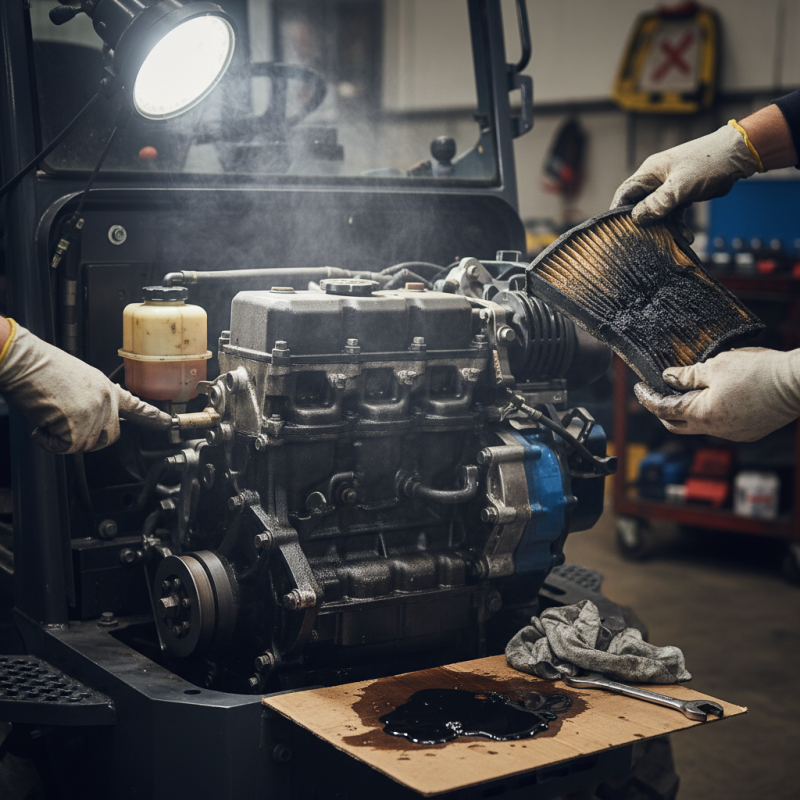
Several factors contribute to engine overheating. A malfunctioning cooling system often tops the list. If the coolant is low or leaking, the engine can't dissipate heat effectively. Moreover, clogged air filters reduce airflow, hindering cooling. Another common cause involves the engine oil. If the oil is dirty or insufficient, it can cause friction and heat buildup.

Operators may sometimes overlook small signs of trouble. Ignoring warning lights can lead to more significant problems later. Regular maintenance is key. Be proactive in checking coolant levels and oil conditions. A lack of attention can turn minor issues into major repairs. Understanding these causes empowers operators to take action and avoid overheating situations.
Why Does My Mini Loader Engine Overheat Common Causes?

Common Causes of Mini Loader Engine Overheating

Mini loaders are versatile machines, but overheating can be a major issue. It’s vital to understand the common causes of engine overheating in mini loaders. A dirty air filter can restrict airflow, leading to poor engine performance. Regular maintenance can help alleviate this problem. Ignoring the air filter can cause costly repairs later.

Another critical factor is coolant levels. If the coolant is low, the engine won't cool effectively. This can lead to serious damage, including a blown head gasket. Checking coolant levels regularly is essential. Beyond this, a malfunctioning thermostat can prevent proper cooling. Make sure it opens at the correct temperature.

Lastly, check for blockages in the radiator. Dirt and debris can restrict cooling airflow. This is often overlooked but crucial for maintaining optimal engine temperature. Regular cleaning and inspection can help prevent this issue. Operating the mini loader under high loads can also lead to overheating. Be mindful of the load you’re placing on the machine.

Impact of Ambient Temperature on Engine Performance

Ambient temperature can significantly affect the performance of mini loader engines. When the temperature rises, the engine struggles to maintain optimal operating conditions. Hot weather can lead to increased wear and tear, causing components to fail more quickly. It is essential for operators to monitor the cooling system closely during high temperature periods.

In addition, high temperatures can reduce the efficiency of engine oil. Oil becomes thinner, leading to decreased lubrication and increased friction. This can further elevate engine temperatures, creating a vicious cycle of overheating. Ensuring that the radiator and cooling fins are free of dirt and debris is crucial. Regular maintenance helps manage these risks effectively.

Operators often overlook the impact of high ambient temperatures on their machines. Being aware of these conditions is vital. Observing engine temperature gauges can provide early warnings of potential problems. Sometimes, it might simply mean adjusting workloads or incorporating more breaks. Ignoring these signs could lead to severe engine damage and costly repairs. Awareness and proactive measures can prevent overheating issues effectively.

Cooling System Failures in Mini Loader Engines

Mini loaders are essential machines in various industries, but overheating can be a significant issue. One common cause of overheating stems from failures in the cooling system. If the coolant level is low, the engine cannot dissipate heat effectively. Regularly check the fluid levels to ensure optimal performance. A simple oversight can lead to expensive repairs.

Another cause is a clogged radiator. Debris and dirt can obstruct airflow, preventing the radiator from cooling efficiently. Cleaning the radiator periodically is crucial for maintaining proper function. Additionally, damaged hoses can lead to leaks. Even a small leak can significantly reduce the cooling system's effectiveness, resulting in overheating.

Ensuring that the thermostat and water pump are functioning correctly is also vital. A malfunctioning thermostat may not regulate the temperature, allowing the engine to overheat. Likewise, a failing water pump can hinder coolant circulation. Paying attention to these components will help prevent overheating issues. Regular maintenance checks are essential to catch potential problems early. Many operators overlook these aspects, which can be costly. Being vigilant can save time and money.

Why Does My Mini Loader Engine Overheat Common Causes? - Cooling System Failures in Mini Loader Engines

Cause Description Impact Recommendations
Low Coolant Level Insufficient coolant can cause inadequate heat dissipation. Overheating and potential engine damage. Regularly check and refill coolant levels.
Clogged Radiator Blocked passages can prevent effective cooling. Increased engine temperature leading to failure. Clean the radiator and check for blockages.
Thermostat Failure A thermostat stuck closed can block coolant flow. Overheating and engine strain. Replace the thermostat if malfunctioning.
Water Pump Failure Failure can stop coolant circulation. Severe overheating and potential engine damage. Inspect the water pump and replace if necessary.
Radiator Fan Issues Fan failures can reduce airflow across the radiator. Engine overheating, particularly at idle. Check and repair or replace faulty fans.

Importance of Regular Maintenance to Prevent Overheating

Regular maintenance is crucial for keeping your mini loader engine running smoothly. Neglecting this can lead to overheating issues. Checking the coolant levels is essential. Low coolant can cause the engine to overheat quickly. Observe the hoses for leaks or cracks. Even minor damage may lead to significant problems.

Inspecting the air filter is another key step. A clogged air filter restricts airflow, causing the engine to work harder. This can also increase the risk of overheating. Routine checks can help identify issues before they escalate. Skipping maintenance might seem harmless, but it can have long-term effects.

Finally, always listen to your engine. Unusual sounds or vibrations may indicate underlying problems. Trust your instincts; if something feels off, investigate. Preventive maintenance is not just a chore; it's a safeguard for your equipment. Stay proactive to ensure longevity and performance.

Common Causes of Mini Loader Engine Overheating

Regular maintenance is crucial in preventing overheating in mini loaders. Addressing common causes such as low coolant levels, a dirty radiator, faulty thermostats, blocked airflow, and engine overload can significantly reduce the risk of engine overheating. The chart above illustrates the relative frequency of these causes.

Signs Indicating Overheating Issues in Mini Loader Engines

Overheating issues in mini loader engines can manifest through various signs. One of the initial indicators is a rising temperature gauge. When this gauge consistently points toward the red zone, immediate attention is necessary. Engine coolant leaks can lead to low fluid levels. This can significantly impact the engine's ability to regulate heat. A quick visual inspection may reveal puddles or steam, signaling a coolant problem.

Another common sign of overheating is unusual engine sounds. These noises can range from clanking to excessive rattling. Such sounds often indicate serious issues related to the internal components. A mini loader that struggles to start or has reduced power is also concerning. These problems may stem from overheating but can indicate deeper mechanical failures.

Lastly, continuous smoke or steam from the engine bay is alarming. This signifies that parts of the engine may be damaged or failing. Owners should also watch for warning lights on the dashboard. Ignoring these signs can lead to severe consequences. Addressing these overheating issues quickly can prevent costly repairs down the line. Always keep a vigilant eye on your equipment to ensure longevity and reliability.

FAQS

: What impact does ambient temperature have on mini loader engine performance?

: High temperatures can make engines struggle to operate optimally. This leads to quicker wear and potential failures.

How does hot weather affect engine oil?

Heat causes engine oil to thin out, reducing lubrication. This increases friction and can further elevate engine temperatures.

What regular checks should be performed on cooling systems?

Regularly check coolant levels, clean the radiator, and inspect hoses for damage. Neglecting these can lead to overheating.

What are some common causes of overheating in mini loader engines?

Low coolant, clogged radiators, and damaged hoses can all cause overheating. Each issue requires attention to avoid disasters.

How can operators monitor engine health effectively?

Observing temperature gauges regularly can provide early warnings. Adjust workloads or take breaks if temperatures rise too high.

What should be done if unusual engine sounds are heard?

Investigate any strange noises or vibrations. Trusting instincts can prevent bigger issues from developing over time.

Why is preventive maintenance important for mini loaders?

Regular checks prevent minor issues from escalating into costly repairs. Maintenance is a safeguard against prolonged engine life.

What happens if regular maintenance is neglected?

Skipping maintenance seems harmless but can lead to severe overheating and expensive long-term effects. Being proactive is crucial.

How can a clogged air filter affect engine performance?

A clogged air filter restricts airflow, causing engines to work harder. This can increase the chance of overheating significantly.

Conclusion

Mini loaders are essential machines in construction and landscaping, but engine overheating can pose significant issues. The common causes of engine overheating in mini loaders include cooling system failures, such as radiator blockages or faulty thermostats, as well as the impact of high ambient temperatures that can strain the engine's performance. Additionally, insufficient coolant levels and clogged filters can hinder proper cooling, leading to overheating.

Regular maintenance is crucial to prevent these overheating issues. By keeping an eye on fluid levels, ensuring the cooling system is functioning effectively, and addressing any signs of potential overheating, operators can maintain optimal performance. Signs indicating overheating issues in mini loader engines include unusual engine noises, warning lights, and a rise in temperature gauges. Understanding what are the common causes of engine overheating in mini loaders can help in proactive measures to avoid costly repairs and downtime.

Henry

Henry

Henry is a dedicated marketing professional with a profound expertise in the company's offerings. With years of experience in the industry, he possesses an impressive understanding of the market dynamics and consumer behaviors that drive success. Henry is committed to sharing his insights through......