How to Choose Between Tracked and Wheeled Mini Loaders?

Time:2026-05-13 Author:Sophia
0%

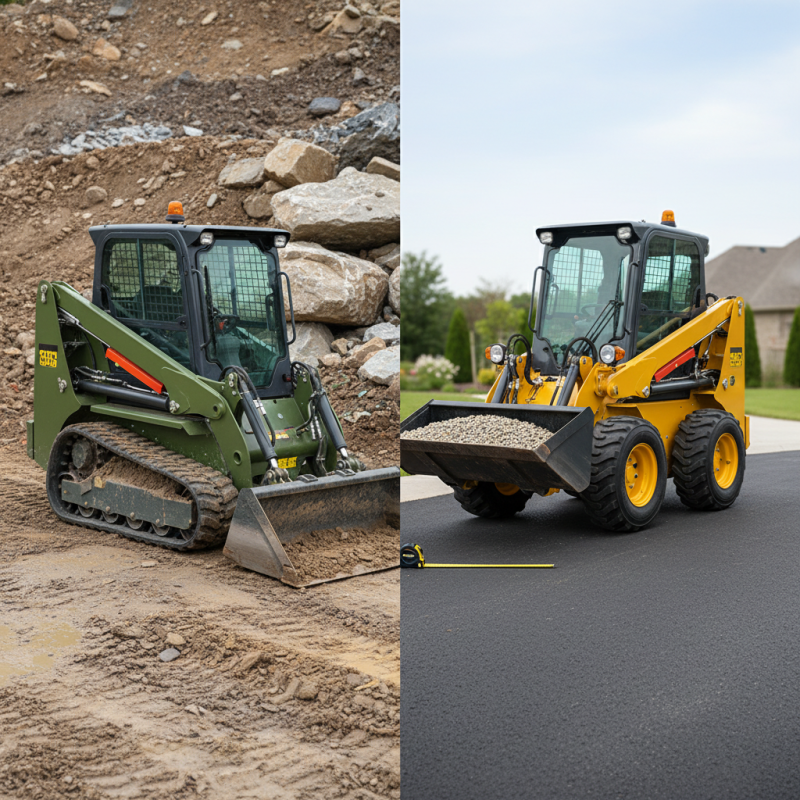
When deciding between tracked and wheeled mini loaders, understanding their key features is crucial. Both types have unique advantages and potential drawbacks. What is the difference between a tracked and wheeled mini loader? This question often arises for those in construction and landscaping.

Tracked mini loaders excel in rough terrain. They distribute weight well, reducing soil compaction. Their design enhances stability on slopes. However, they may struggle in tight spaces. Wheeled mini loaders, on the other hand, are better for paving and smooth surfaces. Their mobility allows for quicker transport between jobs. Yet, they can leave marks on delicate ground.

Each loader type serves different purposes. Knowing your work environment and load requirements is essential. The wrong choice may lead to inefficiencies. Reflecting on past experiences can guide your decision. Ensure you understand your needs before making a choice.
How to Choose Between Tracked and Wheeled Mini Loaders?

Understanding Mini Loaders: Tracked vs. Wheeled Options

When considering mini loaders, one must understand the key differences between tracked and wheeled options. Tracked mini loaders excel in soft or uneven terrains, offering superior traction. They distribute weight more evenly, reducing ground pressure. This makes them ideal for landscaping or construction sites with mud. A tracked loader can navigate through challenging conditions with ease.

On the other hand, wheeled mini loaders are known for their speed and maneuverability on paved surfaces. They are lighter and can work efficiently on firm ground. However, they may struggle in soft soil or muddy areas. Operators often find wheeled models easier to transport, especially for short distances. Keep in mind, selecting the right type depends on your project needs.

Choosing the best option is not straightforward. Each type has its advantages and drawbacks. A tracked loader might be overkill for simple tasks, while a wheeled loader may underperform in rough situations. Assess the terrain and job requirements carefully. Consider what fits your work style and environment. Reflecting on these factors will lead to a more informed decision, tailored to your unique needs.

Key Factors to Consider When Choosing a Mini Loader

Choosing the right mini loader involves several key factors. One major consideration is the terrain. Tracked mini loaders excel on uneven or soft ground. Their design distributes weight, preventing them from sinking. Wheeled loaders, on the other hand, offer better maneuverability on firm surfaces. Assessing the job site can help determine which loader type is most suitable.

Another significant factor is load capacity. Tracked loaders typically have higher lifting capabilities. This feature is crucial for heavy materials like soil and stone. However, wheeled versions can be more efficient for lighter loads. Consider the specific tasks. If quick transport is essential, wheeled loaders might be better. Each type has strengths and weaknesses, affecting productivity.

Serviceability plays a role, too. Tracked loaders often require more maintenance due to their complex track systems. This can lead to increased downtime. In contrast, wheeled loaders usually allow for easier repairs. Evaluating your maintenance capabilities is essential. Balancing performance needs and service requirements can shape your final decision. Reflecting on these aspects will help you choose wisely.

Advantages and Disadvantages of Tracked Mini Loaders

Tracked mini loaders are well-suited for uneven terrains. Their tracks distribute weight effectively, minimizing ground damage. This design enhances stability on soft soil, mud, or gravel. Operators often find these machines easier to maneuver on slopes and in confined spaces. Despite their advantages, tracked loaders can be slower. They also require more maintenance, particularly for their tracks.

However, tracked mini loaders come with limitations. They can be heavier than their wheeled counterparts, which impacts transport. This extra weight may also lead to increased fuel consumption. Additionally, they may be less agile on pavement or hard surfaces. Users should consider these drawbacks based on their project requirements. Each job site presents unique conditions that affect performance.

Reflection is key when choosing a mini loader. Understand the specific challenges your work involves. Balancing the benefits of improved traction and stability against the increased maintenance and transport concerns is crucial. Weighing these factors will lead to more informed decisions. It's essential to evaluate how a tracked loader aligns with your operational goals.

Advantages and Disadvantages of Wheeled Mini Loaders

Wheeled mini loaders offer distinct advantages that make them highly desirable for certain applications. Their mobility is a key benefit. They can easily navigate urban areas and tight job sites, thanks to their compact size. This makes them suitable for landscaping, construction, and material handling tasks in confined spaces. Additionally, the speed of wheeled loaders enhances productivity, allowing operators to cover larger distances in shorter times.

However, there are some drawbacks to consider. Wheeled mini loaders may struggle on uneven terrains or soft ground. When operating in muddy or loose conditions, they can lose traction, affecting performance. Their stability also can be an issue when lifting heavy loads, especially on sloped surfaces. Operators need to weigh these factors carefully when deciding on the best equipment for their needs.

Another aspect worth noting is maintenance. Wheeled mini loaders often require more regular upkeep compared to tracked models. Tire wear can add to ongoing costs, especially in environments where rough surfaces are prevalent. Careful planning and monitoring can help mitigate these challenges, but they do require attention from operators. Balancing these pros and cons can guide users in making informed choices.

Comparison of Tracked and Wheeled Mini Loaders

Applications Best Suited for Tracked vs. Wheeled Mini Loaders

When choosing between tracked and wheeled mini loaders, understanding their applications is crucial. Tracked mini loaders excel in muddy or uneven terrain. Their broader tracks distribute weight more evenly, reducing ground pressure. According to a report by the Equipment Dealers Association, tracked loaders are often preferred in construction sites with challenging conditions. They offer stability where wheeled loaders might struggle.

On the other hand, wheeled mini loaders are faster and more maneuverable on firm surfaces. They work best in urban landscaping projects or snow clearing. A study by the American Rental Association revealed that 65% of rental businesses favor wheeled models for their versatility on paved surfaces. While they lack the stability of tracked loaders in rough terrains, their speed and ease of transport make them ideal for jobs requiring frequent relocation.

Selecting the right type requires an honest assessment of your project needs. Oversight in choosing the right loader can lead to inefficiencies or safety issues. Evaluating your work environment and specific tasks will enhance productivity and outcomes.

FAQS

: What should I consider when selecting a mini loader?

: Consider the terrain first. Tracked loaders work well on uneven ground. Wheeled loaders are better for firm surfaces.

How does load capacity influence my choice?

Load capacity is crucial. Tracked loaders lift heavier materials, while wheeled loaders suit lighter loads better. Assess your tasks.

Are tracked mini loaders easy to maintain?

No, they usually need more maintenance. Complex track systems lead to increased downtime. Evaluate your maintenance capability.

Can tracked mini loaders transport heavier loads?

Yes, they can. Their design allows them to handle heavy materials like soil and stone effectively.

Where are wheeled mini loaders more efficient?

Wheeled loaders are faster and more maneuverable on firm surfaces. They excel in urban landscaping and snow clearing.

How do terrain conditions affect loader choice?

Uneven terrains favor tracked loaders. Wheeled loaders lack stability but are better on paved surfaces. Know your job site.

What are the disadvantages of tracked mini loaders?

They can be slower and heavier. This increases fuel consumption and might affect transport efficiency for some projects.

Why is reflection important when choosing a mini loader?

Reflect on your specific challenges. Balancing benefits and limitations will lead to better decisions. Analyze your operational goals.

What happens if I choose the wrong type of loader?

It may lead to inefficiencies or safety issues. An honest assessment of your needs can prevent these problems.

Can I use tracked mini loaders in urban areas?

It's possible, but they may struggle on hard surfaces. For urban tasks, consider wheeled loaders for better mobility.

Conclusion

When considering the purchase of a mini loader, a key question arises: "What is the difference between a tracked and wheeled mini loader?" Understanding the inherent characteristics of each option is crucial. Tracked mini loaders are generally more stable on uneven terrain, providing better traction and weight distribution, making them suitable for construction sites with loose or muddy soil. In contrast, wheeled mini loaders offer greater versatility and speed on solid surfaces, making them ideal for urban settings or smooth terrain.

Choosing between the two involves evaluating key factors such as terrain type, load capacity, maneuverability, and operational costs. Each option has its set of advantages and disadvantages; for instance, tracked loaders excel in stability but can be slower, while wheeled loaders provide faster transport but may struggle on rough ground. Ultimately, the best choice will depend on the specific applications and operational requirements of the job at hand.

Sophia

Sophia

Sophia is a dedicated marketing professional with an exceptional depth of knowledge about her company's products and services. With a keen understanding of market trends and customer needs, she crafts insightful blog posts that not only inform but also engage readers, enriching the company’s online......