Choosing the right attachment begins with a practical question: “Why should I use a side-shift attachment on my forklift?” The answer is simple. It can move a load left or right without repositioning the entire truck. That small adjustment matters when pallets sit close to racks, trailers, or concrete walls. It can reduce repeated steering movements and help operators align forks more accurately.
Forklift safety consultant David Hoover says, “Good attachment selection starts with the load, the workplace, and the operator.” That principle deserves attention. A side-shift attachment should match the forklift’s rated capacity, carriage class, hydraulic system, and daily workload. Check the attachment’s residual capacity, visibility impact, fork position, and required hydraulic flow. A model that fits physically may still reduce safe lifting performance. That is an easy mistake.
Real experience often reveals the difference. In a narrow aisle, a few centimeters can prevent pallet damage. In a busy loading bay, smooth positioning can reduce unnecessary truck movement. However, side shifting does not correct poor load stability, uneven floors, or careless travel. Operators still need training, clear sightlines, and documented inspections. The attachment can help. It cannot replace judgment.
This 2026 guide examines attachment design, capacity calculations, hydraulic requirements, fork compatibility, maintenance, and operator safety. It also considers newer priorities, including visibility, energy efficiency, and measurable workplace productivity. Some buyers focus only on price. That approach may look efficient initially, but the cheapest attachment is rarely the lowest-cost choice over time.
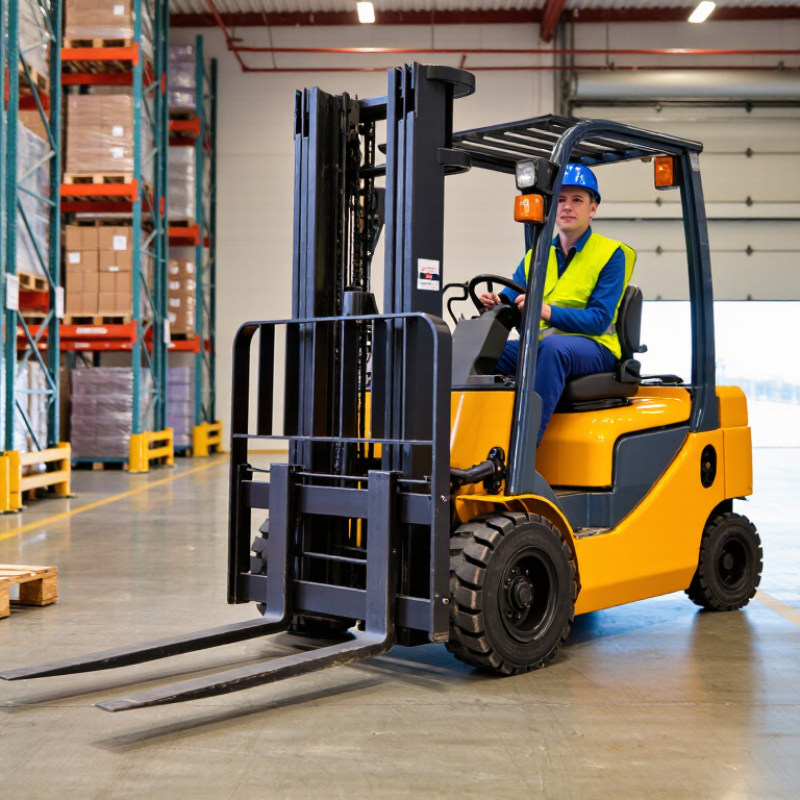
A forklift side shift attachment moves the forks left or right without repositioning the entire truck. This small movement can save time near racks, pallets, and loading bays. It also helps operators align loads when floor space is limited. The attachment works through hydraulic movement, giving the driver better control during final positioning. However, it does not replace careful driving or correct load assessment.
A suitable attachment should match the forklift’s rated capacity, fork dimensions, hydraulic system, and daily workload. Check the remaining capacity after installation. The attachment adds weight and may move the load’s center of gravity forward. A pallet that feels stable may become unsafe when lifted high. In practical warehouse use, smooth side shifting reduces pallet damage, but excessive movement can strain the attachment and rack edges. Selection mistakes often come from focusing only on purchase price.
Tips: Measure common pallet widths and rack clearances first. Confirm hydraulic pressure and connection requirements with a qualified technician. Inspect hoses, locking points, and fork visibility before each shift. Train operators to side shift only at low travel speeds. This matters. Maintenance records should include unusual noise, uneven movement, and leakage. Some teams overlook these signs because the attachment still works. That assumption needs reconsideration.
How to Choose a Forklift Side Shift Attachment in 2026?
Key Load, Fork, and Compatibility Requirements
Choosing a side shift attachment starts with the real load, not the advertised maximum. Record the heaviest load, its center of gravity, and the lifting height. A 2,000-kilogram load may reduce the forklift’s usable capacity when shifted forward. Check the capacity plate with the attachment installed. Never estimate this figure. Small errors become serious at height.
Measure the existing forks carefully. Confirm fork width, thickness, length, and carriage class before ordering. The attachment must fit the carriage without excessive movement. Check the locking points and ensure both forks remain fully supported. Hydraulic requirements matter too. Compare the truck’s available pressure, flow, and hose connections with the attachment specifications. An incorrect connection can cause slow movement or unstable positioning.
Visibility and residual capacity deserve practical testing. Ask an experienced technician to inspect the attachment, then conduct a controlled trial with a representative pallet. Watch for blocked sightlines, uneven fork movement, and reduced clearance near racking. I once focused too heavily on maximum side travel and overlooked the attachment’s added weight. That shortcut was a mistake. A compact unit may offer less travel but better visibility and capacity. Recheck the calculation when loads change. Operations often evolve faster than equipment records.
How to Choose a Forklift Side Shift Attachment in 2026?
Comparing side shift attachment types starts with the job, not the catalog picture. An integral sideshifter usually improves visibility and keeps the load closer to the carriage. It may suit intensive pallet handling, but its built-in design can reduce flexibility during fleet changes. A bolt-on attachment is easier to retrofit and replace. However, it can add weight, reduce residual capacity, and increase the load center. Check capacity first.
A fork positioner with side shift handles different pallet widths more efficiently. It is useful in cold stores, mixed warehouses, and export packing areas. Yet, moving forks wider can create pinch risks and slower hydraulic cycles. OSHA reports about 35,000 serious and 62,000 non-serious forklift injuries annually in the United States. That figure makes visibility, controlled movement, and operator training practical selection criteria, not optional extras. Compare the attachment’s rated capacity at the actual load center, not only the forklift’s nameplate rating.
The 2024 MHI Annual Industry Report identifies labor pressure and operational efficiency as continuing supply-chain priorities. A fast attachment may help, but speed alone is a weak comparison. Measure cycle time with real pallets, including damaged boards and uneven loads. A clean spreadsheet can still miss poor sightlines. In a site trial, inspect hose routing, carriage wear, fork clearance, and residual capacity after installation. The cheapest option may become expensive when maintenance access is awkward. That is an uncomfortable detail, but it matters.
| Side Shift Type | How It Works | Typical Lateral Travel | Typical Attachment Weight | Common Capacity Impact | Installation and Compatibility | Main Advantages | Potential Limitations | Best-Suited Applications | Key Selection Checks |
|---|---|---|---|---|---|---|---|---|---|
| Integrated Side-Shifting Carriage | The side-shift function is built into the fork carriage or supplied as an integrated carriage assembly. The forks move together laterally from the operator’s control. | Approximately 100–200 mm total movement, depending on carriage width and design. | Usually lower than a separate add-on attachment because there is no additional front-mounted frame; the exact weight depends on the carriage specification. | Often the lowest capacity penalty among side-shift solutions, but the truck’s revised capacity plate remains controlling. | Requires a compatible carriage, hydraulic circuit, mounting class, and fork dimensions. Installation may require replacing the existing carriage. | Good visibility, compact design, low lost load center, and clean integration with the forklift. | Less convenient to transfer between trucks; replacement or installation can require more downtime and technical labor. | High-use warehouses, production plants, and fleets where one truck performs repetitive pallet handling. | Confirm carriage class, fork spacing, hydraulic pressure and flow, rated capacity, and the new load center shown on the capacity plate. |
| Bolt-On or Hook-On Side Shifter | A separate frame attaches to the existing fork carriage using hooks, locking pins, or bolts. Hydraulic cylinders move the fork carriage or fork-support frame sideways. | Commonly about 100–200 mm total movement. | Approximately 50–180 kg for many light- to medium-capacity designs; heavy-duty units can weigh more. | Frequently reduces residual capacity by roughly 5–15%, depending on attachment weight and forward load-center increase. | Generally suitable for standard hook-type carriages when the attachment class, carriage width, fork dimensions, and hydraulic connections match. | Widely available, practical to retrofit, and suitable for frequent pallet alignment corrections. | Adds weight and forward projection; may reduce visibility and can require attachment removal for certain loads or maintenance tasks. | General warehouse work, loading docks, distribution centers, and mixed pallet operations. | Compare attachment weight, lost load center, carriage class, minimum fork length, hose routing, and whether a capacity re-rating is required. |
| Fork-Mounted Side Shifter | The unit is mounted directly on or around the existing forks and shifts the load laterally without permanently replacing the truck’s carriage. | Often about 75–150 mm total movement, although the range varies considerably by design. | Commonly about 40–120 kg for compact models; verify the exact operating weight before use. | Can produce a noticeable capacity reduction because the attachment adds weight and may move the load center forward. | Fast to install on suitable forks, but compatibility depends on fork thickness, width, locking method, fork spacing, and attachment clearance. | Portable between compatible trucks, comparatively quick to fit, and useful where permanent hydraulic modification is undesirable. | Usually offers less travel and rigidity than a carriage-mounted design; incorrect installation can allow movement or damage to the forks. | Occasional pallet alignment, rental fleets, maintenance work, and operations needing a transferable solution. | Check fork cross-section, locking security, attachment rating, visibility, load stability, and whether the combined system is approved for the intended truck. |
| Side-Shifting Fork Positioner | Combines lateral movement with hydraulic fork spreading and closing. The forks can be adjusted independently or together, depending on the model. | Side-shift travel is commonly about 100–200 mm; fork-positioning range depends on fork length and frame width. | Often approximately 150–350 kg or more, because the unit includes fork-positioning mechanisms and additional hydraulic components. | Frequently has a higher capacity impact than a basic side shifter because of greater attachment weight and forward load center. | Requires suitable hydraulic functions, adequate truck capacity, correct fork length, and compatibility with the carriage and hydraulic circuit. | Handles different pallet widths, reduces manual fork adjustment, and improves positioning flexibility. | Higher purchase and maintenance cost, greater weight, more complex hydraulics, and potentially reduced visibility. | Mixed pallet sizes, beverage handling, paper products, manufacturing, and applications with frequent fork-spacing changes. | Evaluate residual capacity at the actual load center, fork range, minimum fork width, hose protection, synchronized movement, and service access. |
| Telescopic or Long-Travel Side Shifter | Uses an extended frame or telescopic mechanism to provide more lateral movement than a conventional side-shift assembly. | Often more than 200 mm total movement; the manufacturer’s rated travel must be used for planning. | Typically heavier than standard units and may exceed 200 kg, depending on capacity and travel requirements. | Potentially significant capacity reduction because of added weight, increased forward projection, and greater load-center changes. | Requires careful matching of truck capacity, carriage class, hydraulic performance, mast clearance, and attachment dimensions. | Provides extra positioning range where pallets cannot be approached squarely or where lateral reach is operationally important. | Higher cost, reduced residual capacity, more complex maintenance, and greater risk of load instability if used beyond its rated envelope. | Specialized storage layouts, rail-side loading, constrained dock areas, and applications requiring unusually large lateral correction. | Obtain a complete capacity calculation for the maximum travel position; check mast clearance, visibility, attachment deflection, and load stability. |
| Manual Side-Shift Attachment | The forks or attachment frame are repositioned by a manual locking or sliding mechanism rather than by a hydraulic cylinder controlled from the operator’s seat. | Commonly about 50–150 mm total movement, depending on the adjustment holes or sliding range. | Usually relatively light, often about 30–100 kg, but the exact weight varies by construction. | Normally lower than a hydraulic attachment, although the added forward load center still affects residual capacity. | Does not normally require an additional hydraulic function, but it must be securely locked and compatible with the carriage and forks. | Lower purchase cost, simple construction, limited hydraulic maintenance, and suitability for infrequent adjustments. | Requires the operator to stop and leave the operating position; slower for repetitive work and unsuitable where frequent adjustments are needed. | Occasional use, low-volume warehouses, workshops, and operations with predictable pallet dimensions. | Check locking-pin design, adjustment increments, operator access, fork retention, rated load center, and inspection requirements. |
Note: The figures shown are typical planning ranges, not universal ratings. Actual capacity, travel, weight, and compatibility depend on the forklift, mast, carriage class, fork dimensions, attachment design, hydraulic system, and load center. Always follow the attachment manufacturer’s data and use the forklift’s revised capacity plate before operation.
Choosing a forklift side shift attachment in 2026 requires more than matching fork dimensions. Safety, visibility, and installation quality should guide the decision. A side shifter moves the load laterally, but it can also change the truck’s residual capacity and load center. Check the forklift data plate, attachment rating, and approved load chart together. Do not estimate capacity by appearance.
Visibility deserves close attention. The attachment should not create a bulky frame that blocks fork tips or pallet openings. During practical warehouse checks, view the forks from the operator’s normal seated position. Test visibility with empty pallets and full loads. Keep the load low while traveling. A camera can help, but it cannot replace direct sight, mirrors, or a trained spotter. Small blind areas cause serious mistakes.
Installation must be precise. Confirm carriage width, hook engagement, locking pins, hydraulic routing, and hose protection before use. A qualified technician should install and test the attachment without a load first. Then, perform a controlled lift and side-shift movement on level ground. Watch for drift, unusual noise, and uneven fork movement. A perfect setup is rare. I would still recheck every connection after the first shift, because vibration can reveal problems that a static inspection misses. Train operators on the attachment’s limits, not only its controls.
How to Choose a Forklift Side Shift Attachment in 2026?
A side shift attachment should match the truck, load, and working aisle. Check its rated capacity at the actual load center, not the attachment’s empty weight. OSHA safety guidance estimates about 85 forklift-related deaths and 34,900 serious injuries occur annually in the United States. These figures make capacity checks more than paperwork. Confirm hydraulic pressure, carriage class, fork spacing, visibility, and remaining lift capacity. ISO 23206 also emphasizes compatibility between attachments, trucks, and load-handling conditions.
Operate the attachment with a trained operator and a clear floor. Move the load fully onto both forks. Keep it low during travel. Shift only when the load is stable and the truck is stopped. Never use side shift to correct badly positioned forks at speed. OSHA materials commonly associate inadequate training with roughly one-quarter of forklift accidents. That percentage is often repeated, but local records may differ. Training should include practical demonstrations, not only a signed form.
Inspect the attachment before each shift. Look for bent forks, cracked welds, loose locking pins, damaged hoses, and hydraulic leaks. Test the side-shift movement without a load first. Record defects and remove unsafe equipment from service. Recheck the capacity plate after installation. This step is easy to overlook. A useful maintenance schedule combines daily checks with periodic inspection by a competent technician. I would also review aisle clearance after installation. The attachment may add only a few inches, yet those inches can change turning behavior and visibility.
Start with the job, truck, load, and working aisle. Compare rated capacity at the actual load center. Catalog photos can mislead.
An integral model usually keeps the load closer and may improve visibility. A bolt-on model is easier to retrofit or replace. However, it can add weight, increase the load center, and reduce remaining capacity.
It suits mixed pallet widths, cold storage, and export packing areas. Wider fork movement can reduce manual repositioning. It may also increase pinch risks and slow hydraulic cycles.
Sit in the normal operator position and inspect fork tips through empty pallets. Repeat the check with full loads. Keep loads low during travel. A camera helps, but direct sight still matters.
Confirm carriage width, hook engagement, locking pins, and hydraulic routing. Protect hoses from rubbing and sharp edges. Test movement without a load first. Recheck every connection after the first shift.
Load both forks fully and keep the load stable. Stop the truck before shifting sideways. Do not use side shift to correct poor fork placement at speed. Small errors can become large ones.
Look for bent forks, cracked welds, loose pins, damaged hoses, and hydraulic leaks. Test the side-shift function without a load. Record defects and remove unsafe equipment from service.
It may reduce cycle time, but speed alone proves little. Test real pallets, including damaged boards and uneven loads. A spreadsheet can miss poor sightlines. I might still choose the slower attachment if control is better.
Choosing the right forklift side shift attachment in 2026 starts with understanding its purpose: it allows the forks to move horizontally without repositioning the entire truck, making pallet placement faster and more precise. Why should I use a side-shift attachment on my forklift? It can improve load alignment, reduce unnecessary vehicle movement, and support safer, more efficient handling in narrow or busy work areas. Before selecting one, confirm the forklift’s rated capacity, fork dimensions, carriage class, hydraulic requirements, and the size and weight of the loads.
Compare attachment types by shifting range, visibility, residual capacity, durability, and ease of installation. A suitable design should not block the operator’s view or create excessive forward load distance. Operators should receive proper training, inspect the attachment and hydraulic connections before use, keep loads stable and within capacity, and follow workplace safety procedures. Regular lubrication, bolt checks, cleaning, and inspections can help maintain reliable performance and extend service life.

BestDeal Forklifts