When operating an electric forklift, one frustrating issue that arises is the battery failing to hold a charge. Many users ponder, "Why is my electric forklift battery not holding a charge?" This question is critical for maintaining efficient operations. A poorly charged battery can hinder productivity and lead to costly downtimes.
Several reasons may contribute to this issue. For instance, age and wear can drastically affect battery performance. Batteries have a limited lifespan, and recognizing its signs of decline is essential. Incorrect charging practices can also lead to potential issues. If the battery isn't charged properly, it may not reach full capacity.
In addition to these factors, environmental conditions play a vital role. High temperatures or cold can impact charging efficiency. Reflecting on these aspects allows operators to address problems proactively. It’s worth examining charging habits and battery age regularly. Understanding these nuances helps in prolonging battery life and maintaining reliable forklift operations.
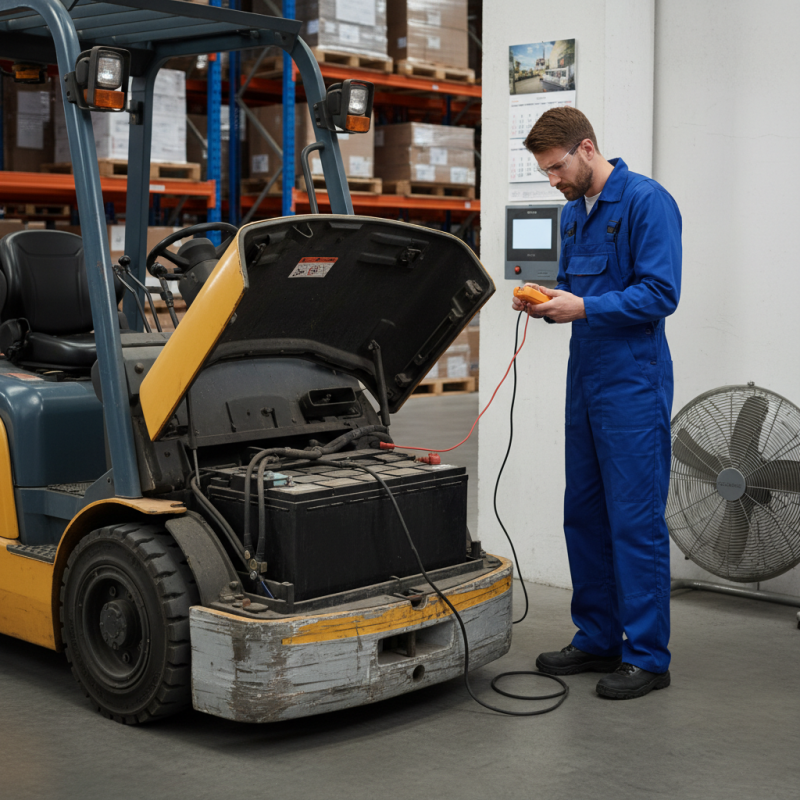
Electric forklifts are essential in many industries. However, battery charging failures can disrupt operations. Understanding the common causes behind these issues can help you maintain efficiency.
One prevalent cause of battery charging failure is a bad connection. Corroded terminals often lead to poor conductivity. Ensure that all connections are clean and secure. This simple maintenance step can make a significant difference. Keep an eye out for frayed cables. They can lead to power interruptions and may require replacement.
Another common issue is improper battery maintenance. Overcharging or undercharging can shorten battery life. Regularly check the electrolyte levels if applicable. Insufficient fluid can cause damage and decrease charging effectiveness.
Tips: Regularly inspect your battery charger as well. Faulty chargers are often overlooked, yet they can cause significant downtime. Schedule periodic checks to catch issues early. Don't forget to consult the user manual for specific maintenance recommendations.
Temperature significantly affects electric forklift battery performance. Extreme heat or cold can impede charging capabilities. High temperatures increase chemical reactions, which may lead to overheating and eventual battery damage. In cold conditions, the battery’s chemical reactions slow down, reducing energy storage and output.
Selecting the optimal charging environment is crucial. Ideally, charge batteries in a temperature range of 50°F to 80°F (10°C to 27°C). Temperatures outside this range contribute to inefficiencies. Over time, regular exposure to unsuitable temperatures can shorten battery lifespan.
Some may neglect these factors, assuming batteries will adapt. However, poor temperature management often results in charging failures. Regularly monitoring environmental conditions can help prevent such issues. Being proactive in battery care can lead to better performance and reliability.
Battery age significantly affects charging issues in electric forklifts. Older batteries often have diminished capacity. Over time, chemical processes within the battery can lead to sulfation and reduced efficiency. A battery more than five years old is likely nearing the end of its usable life. At this stage, frequent charging problems often arise.
Regular maintenance is crucial for extending battery life. Dirty terminals and corroded connections can hinder charging. For instance, a simple cleaning routine could enhance conductivity. Hydration levels also matter; neglected batteries may suffer from electrolyte loss. This usually results in voltage drops during charging. It's essential to routinely check water levels in wet-cell batteries.
Some users overlook simple maintenance tasks. They expect their batteries to perform consistently without proper care. This oversight can create frustration, especially when a forklift fails to start. Lastly, proper training on battery care can save users from unnecessary downtime or replacement costs. Charges may become more reliable with such attention to detail.
Understanding the compatibility of charging equipment is crucial for maintaining the efficiency of electric forklift batteries. Many users overlook this aspect, leading to charging failures and equipment downtime. A study by the National Forklift Safety Action Committee reported that improper charging practices account for around 30% of battery-related issues. This highlights the need for optimal compatibility between the battery and charger.
Different battery types require specific chargers to function properly. For instance, lithium-ion batteries may demand distinct charger profiles compared to lead-acid batteries. Using mismatched chargers can lead to undercharging or overcharging, resulting in poor performance. According to the Battery Research Institute, battery lifespan can decrease by up to 40% if charging equipment is incompatible. It's essential for operators to verify that chargers meet manufacturer specifications.
Operators should also consider external factors affecting charging performance. Ambient temperature is one such factor. Extreme temperatures can hinder charging efficiency. Reports indicate that over 20% of users operate their forklifts in unsuitable temperatures, impacting battery life. Regular checks on charging systems can mitigate these issues. Awareness and training are necessary to ensure proper usage of both batteries and chargers.
Electric forklift batteries can show signs of trouble before they fail completely. It's essential to recognize these signs. Uneven charging is a common symptom. If your battery takes longer than usual to charge, it might indicate a deeper problem. Swelling or leakage can also be alarming. These physical changes compromise safety and efficiency. Addressing them promptly can save money and time.
Strange noises during charging should not be ignored. They can be warnings of internal damage. Additionally, if you notice a significant drop in lifting capacity, something is wrong. A healthy battery should consistently perform well. Failing batteries can affect your entire operation.
If you experience any of these issues, seeking professional diagnosis is crucial. Technicians can assess the battery's condition accurately. Their expertise helps in identifying hidden faults. Rely on their knowledge to prevent operational disruptions. Ignoring early signs can lead to more severe failures. Don’t wait for a complete breakdown. Take action when you notice these red flags.
: A common cause is a bad connection, often due to corroded terminals.
Ensure connections are clean and secure. Check for frayed cables too.
Improper maintenance can lead to overcharging or undercharging, affecting battery life.
Regularly check electrolyte levels. Insufficient fluid can damage the battery.
Schedule periodic checks of your battery charger for early detection of issues.
Extreme temperatures can reduce charging capabilities and battery lifespan significantly.
Charge batteries between 50°F and 80°F (10°C to 27°C) for optimal performance.
Neglecting temperature management often leads to charging failures.
Being proactive can prevent charging issues and improve battery reliability.
Poor care can shorten battery lifespan and affect overall efficiency.
In the exploration of why electric forklift batteries may fail to charge, several common causes emerge. Issues such as improper charging practices, poor maintenance, and age-related decline significantly impact battery performance. Additionally, environmental factors like temperature can adversely affect charging efficiency. Understanding the compatibility and efficiency of charging equipment is also vital, as mismatched systems can lead to further complications.
When grappling with the question, "Why is my electric forklift battery not holding a charge?", operators must look for signs of battery faults that may require professional diagnosis. By recognizing these factors and seeking timely maintenance, forklift users can ensure their batteries operate optimally, thus minimizing downtime and improving overall productivity.

BestDeal Forklifts