How to Achieve 95 Percent Soil Compaction with Vibratory Rollers?

Time:2026-08-28 Author:Mason
0%

Achieving optimal soil compaction is crucial for the success of construction projects. A common target is 95 percent compaction. This level ensures stability and durability of the soil beneath structures. It can be challenging to reach this goal without the right techniques.

How to achieve 95% soil compaction with a vibratory roller? This question arises for many engineers and contractors. Vibratory rollers are powerful tools, yet their effectiveness depends on several factors. Proper speed, frequency, and moisture content play important roles. Additionally, understanding the soil type is vital.

Practical experience reveals that even small mistakes can lead to inadequate compaction. Overworking the soil may cause it to become too dense. This can hinder effective vibration. Moreover, it’s essential to monitor moisture levels closely. Too much or too little can affect the final outcome. Therefore, understanding the intricacies of soil compaction is necessary for success.
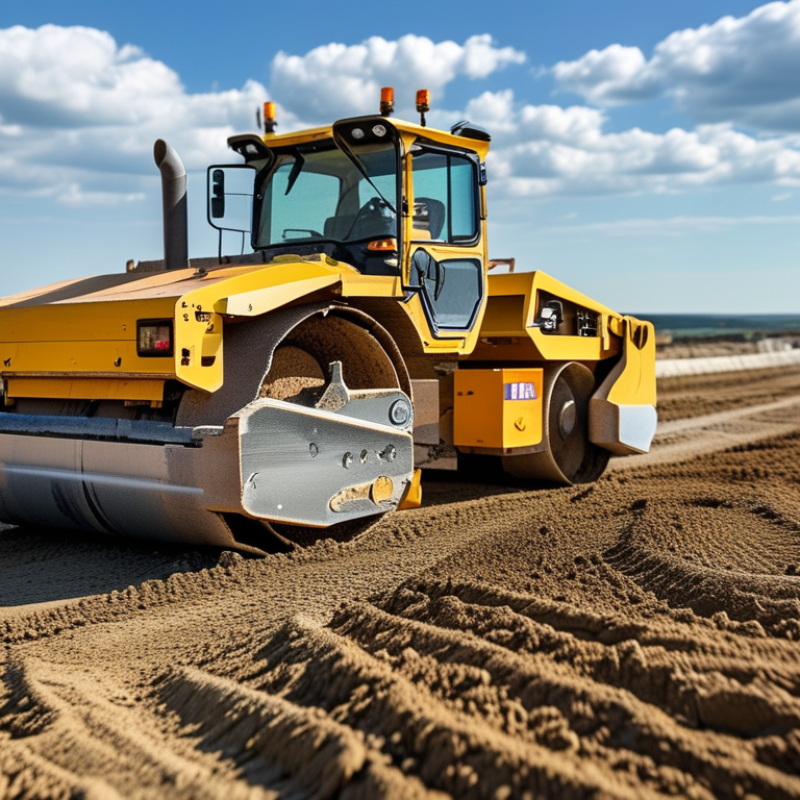
How to Achieve 95 Percent Soil Compaction with Vibratory Rollers?

Understanding Soil Compaction and Its Importance in Construction

Soil compaction is crucial in construction. It ensures the stability and durability of structures. Properly compacted soil typically achieves a density of 95 percent or more of its maximum dry density. This threshold is vital as it minimizes settlement and reduces the risk of structural failure. According to the American Society of Civil Engineers, 40% of construction failures relate to inadequate soil compaction.

Understanding soil types is essential for achieving desired compaction. Clay soils, for example, require different techniques compared to granular soils like sand. The moisture content directly affects compaction. For maximum effectiveness, the moisture should be neither too high nor too low. An optimal range is typically between 5% to 10%.

Here are two strategies to ensure effective compaction. Use vibratory rollers with adjustable frequencies. Selecting the right frequency can enhance the impact on different soil types. Keep in mind that over-compaction can be just as problematic, leading to soil rigidity and potential cracking. Monitor soil conditions throughout the process. Checking moisture levels and density helps maintain the balance necessary for achieving that 95 percent target, while avoiding potential pitfalls like soil deformation.

Soil Compaction Levels Achieved with Vibratory Rollers

Introduction to Vibratory Rollers and Their Mechanism

Vibratory rollers play a crucial role in achieving optimal soil compaction during construction projects. These machines utilize vibratory force to enhance compaction efficiency. The technology relies on a combination of weight, speed, and vibration frequency to compact various soil types effectively. According to a study by the American Society of Civil Engineers, proper soil compaction can significantly improve the load-bearing capacity of the earth, making it essential for stability.

The mechanism of vibratory rollers involves applying high-frequency vibrations to the ground. This action reduces air voids within the soil, allowing particles to rearrange and settle more densely. Research shows that achieving 95 percent compaction can reduce the risk of settlement and ensure long-lasting surfaces. Compaction operations are often monitored using nuclear density gauges or moisture density meters for accuracy, ensuring that the desired levels are reached.

Despite the advantages of vibratory rollers, challenges exist. Soil type, moisture content, and layer thickness can affect compaction outcomes. In some cases, over-compaction may lead to soil fracturing or increased shear strength. It's crucial to address these factors during the compaction process. Understanding the specific conditions can guide operators in adjusting their methods, ultimately enhancing construction quality and longevity.

Steps to Achieve Optimal Soil Compaction Using Vibratory Rollers

Achieving optimal soil compaction with vibratory rollers is essential for construction projects. The goal is to reach at least 95 percent compaction. According to industry reports, proper compaction results in increased load-bearing capacity and reduces settlement issues. Understanding soil types and layers is vital before starting the compaction process. Sandy soils require different techniques compared to clayey soils.


When using vibratory rollers, ensure the correct frequency and amplitude settings. Most experts recommend a frequency between 1500-4000 vibrations per minute for effective compaction. Over-compaction can cause soil fracturing, while under-compaction leads to instability. Observe the roller operation for any unusual vibrations that might indicate issues.


Consider moisture content too. Soil needs to be at an optimal moisture level for maximum compaction. Aiming for a 2% to 4% moisture increase above the plastic limit works well for clayey soils. Perform moisture tests periodically during the project. Tracking compaction progress helps identify areas needing additional work.


Watch for uneven surfaces and adjust as necessary. Track and document compaction efforts to ensure compliance with engineering standards. Reflect on the outcomes and continuously improve methods. Learning from each project will enhance future operations.

Monitoring and Testing Soil Compaction Levels During Construction

Monitoring soil compaction levels during construction is critical for achieving optimal stability in projects. Vibratory rollers are a common choice for this task, but monitoring techniques can enhance effectiveness. The Soil Compaction Standard (ASTM D698) suggests that achieving 95 percent compaction is a crucial target for many construction applications. Regular testing ensures that the soil meets this standard.

One effective method of monitoring is using nuclear density gauges. These devices provide immediate feedback on moisture content and density, making it easier to adjust compaction methods on-site. Real-time data helps in making informed decisions and addressing issues promptly. Without consistent monitoring, projects can face delays or structural issues.

When working with vibratory rollers, here are some practical tips: always calibrate equipment before operation. This ensures accurate readings and reduces the risk of under or over-compaction. Also, test soil in multiple locations across the site. This gives a clear understanding of variability within the soil composition. Lastly, document every compaction test. Keeping records can identify patterns or concerns as the project progresses.

Best Practices for Maintenance and Operation of Vibratory Rollers

Vibratory rollers are essential for achieving optimal soil compaction. However, proper maintenance and operation are critical for maximizing their efficiency. Regularly check the roller's vibratory system and hydraulic components. This helps in identifying any issues that may affect performance. Each part plays a significant role in achieving that 95 percent compaction goal. Ignoring maintenance can lead to equipment failure and increased costs.

Operators should be well-trained to handle vibratory rollers. Understanding the equipment's features leads to better decisions on the job site. Proper load distribution and speed can greatly enhance compaction effectiveness. Emphasizing the right operating techniques can reduce the risk of over-compaction, which may damage the soil structure. It’s important to remember that every job is unique. Operators often need to adjust their strategies based on soil conditions.

Routine inspections are important. Operators should not overlook the importance of cleaning the roller after use. This prevents material buildup and ensures smooth operation for future projects. Keeping an eye on tire pressure and fluid levels is also crucial. Attention to these details can make a significant difference in the roller's overall performance and longevity. Recognizing these elements can lead to more reliable and efficient soil compaction efforts.

How to Achieve 95 Percent Soil Compaction with Vibratory Rollers? - Best Practices for Maintenance and Operation of Vibratory Rollers

Parameter Recommended Value Notes
Soil Type Clay, Sandy Clay Ideal for high compaction
Vibratory Roller Weight 10-15 tons Optimal for effective compaction
Frequency 1400-2000 VPM Higher frequencies for better results
Amplitude 0.5-0.6 in Set according to soil conditions
Speed of Operation 2-3 km/h Adequate for effective material response
Moisture Content Optimal 10-12% Avoid overly wet or dry soil
Number of Passes 3-5 passes Depends on soil type and conditions

FAQS

: What is soil compaction?

: Soil compaction involves compressing soil for better stability and durability in construction.

Why is soil compaction important?

Proper compaction minimizes settlement and reduces structural failure risks.

What density should compacted soil achieve?

Compacted soil should reach at least 95 percent of its maximum dry density.

How does soil type affect compaction?

Different soil types, like clay and sand, require specific compaction techniques for effectiveness.

What moisture level is ideal for compaction?

The optimal moisture content is typically between 5% to 10% for effective compaction.

What can happen with over-compaction?

Over-compaction can lead to soil rigidity and potential cracking, causing issues.

What frequency is recommended for vibratory rollers?

A frequency of 1500-4000 vibrations per minute usually promotes effective compaction.

How can you monitor compaction progress?

Regularly check moisture levels and track density to ensure effective compaction.

What should you do if surfaces are uneven?

Adjust your techniques as needed to address any uneven surfaces during compaction.

How can you improve future compaction efforts?

Reflect on project outcomes and learn from experiences to enhance methods.

Conclusion

Achieving optimal soil compaction is crucial in construction, as it enhances the stability and load-bearing capacity of the ground. Understanding how to achieve 95% soil compaction with a vibratory roller involves several essential steps. Firstly, one must familiarize themselves with the operation and mechanism of vibratory rollers, which utilize vibrations to effectively compact soil. Following this, proper procedures must be implemented during the compaction process, ensuring that the soil is at the right moisture content and that the roller is used in a systematic manner for maximum efficiency.

Moreover, ongoing monitoring and testing of soil compaction levels during construction are vital to confirm that the targeted compaction rate is achieved. Implementing best practices for the maintenance and operation of vibratory rollers further ensures their effectiveness and longevity. By adhering to these guidelines, construction professionals can successfully attain the desired soil compaction, thus promoting the overall durability of their projects.

Mason

Mason

Mason is a seasoned marketing professional with a deep expertise in the company's offerings and a passion for driving brand awareness. With a strong background in digital marketing strategies, he has an innate ability to connect with diverse audiences and effectively communicate product benefits.......