Choosing the right attachment can transform a mini skid steer into a precise landscaping partner. In 2026, contractors and property owners expect more than raw lifting power. They need compact tools that protect finished lawns, reach narrow gates, and handle changing soil conditions.
What are the best attachments for a mini skid steer in landscaping? The answer depends on the work, site access, soil, and machine’s hydraulic capacity. A general-purpose bucket suits mulch, soil, and light grading. A landscape rake can prepare seedbeds, while a trencher creates clean utility channels with less disruption. For overgrown areas, a brush cutter saves substantial hand labor. Grapples also help move logs, roots, and scattered debris safely.
Real jobsite experience shows that attachment matching matters more than attachment count. A powerful auger may struggle in rocky ground without the correct teeth. A soil conditioner can produce an excellent seedbed, yet it may be unnecessary for small planting repairs. Operators should check rated flow, attachment weight, cutting width, visibility, and manufacturer guidance before purchasing. Small mistakes become expensive quickly.
The best setup is rarely universal. Narrow yards reward compact designs. Wet ground demands careful flotation. Uneven slopes require controlled travel and disciplined operating habits. Even experienced crews sometimes choose a tool that performs well but slows the overall project. That is worth reconsidering. This guide examines the leading 2026 mini skid steer attachments for landscaping, comparing practical performance, versatility, maintenance needs, and value across real outdoor applications.
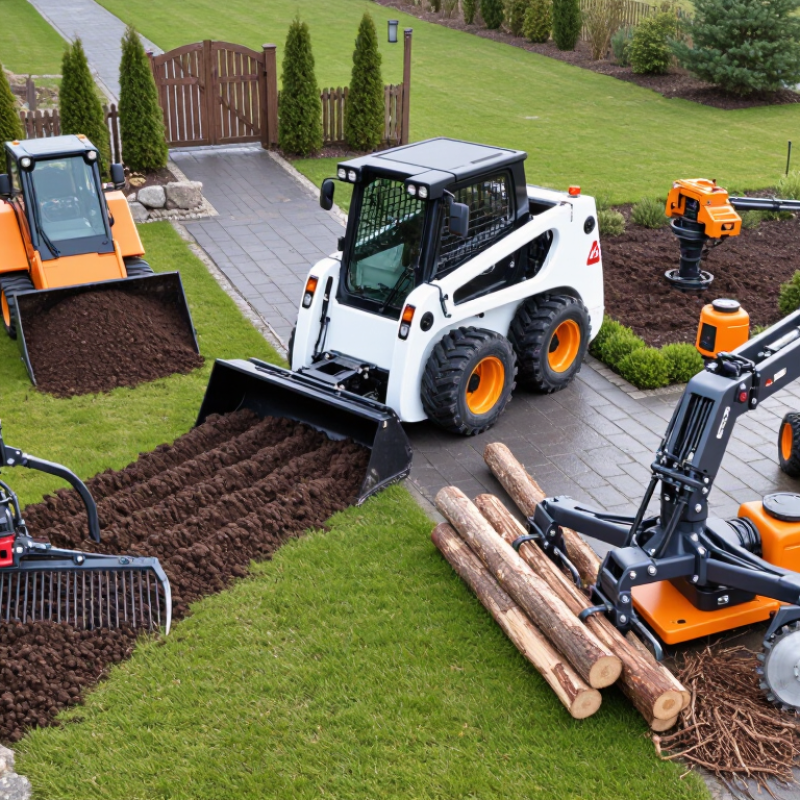
Mini skid steer attachments turn a compact machine into a practical landscaping system. The attachment’s purpose should match the soil, space, and finish required. A four-in-one bucket handles mulch, gravel, and light grading. A soil tiller breaks compacted beds before planting. A landscape rake then levels the surface and removes loose debris. For narrow utility work, a trencher creates clean channels with less disturbance than a larger machine.
The demand for efficient grounds work is real. The U.S. Bureau of Labor Statistics projects 4% employment growth for grounds maintenance workers from 2023 to 2033. That supports versatile equipment on residential and commercial sites. An auger can install shrubs quickly, while a brush cutter clears thick growth around fences and slopes.
A power broom cleans paths after construction. Small footprints matter in backyards. They reduce access problems.
Attachment choice still requires judgment. The USDA Natural Resources Conservation Service identifies soil compaction as a major threat to infiltration and root growth. Repeated passes can damage the same ground a crew intends to improve. Not always. I have seen operators use a bucket when a grading attachment would produce a cleaner finish. That shortcut saves minutes, then creates extra hand work. Match hydraulic flow, cutting width, and surface sensitivity before starting. Wet soil needs patience, not more horsepower. A mini skid steer works best when each attachment has one clear job.
Choosing a mini skid steer attachment starts with the worksite, not the attachment catalog. Measure gate openings, path width, soil firmness, and available turning space. A narrow bucket may reach tight gardens, while a wider grading bar can cover more ground efficiently. However, wider equipment often increases turf damage on soft lawns.
Match the attachment to the machine’s hydraulic flow, rated operating capacity, and lifting height. A brush cutter needs stable hydraulic performance, while an auger requires enough torque for compacted soil. Check the attachment’s weight before purchase. Excess weight can reduce digging strength and make the machine feel unstable on slopes. It may look powerful.
Ground conditions also influence the best choice. A soil cultivator suits prepared beds, but rocky ground may require a more durable tool and slower passes. For mulch, a bucket with a smooth interior helps prevent material buildup. For drainage work, a narrow trencher can improve accuracy, though it demands careful depth control near existing utilities.
Operator visibility and attachment controls matter during long landscaping projects. Choose designs that keep the cutting edge or working area visible from the seat. Grease points, replaceable wear parts, and simple hose routing can reduce downtime. A practical lesson is easy to overlook: clean packed soil after every shift. Neglecting this step once can make the next morning unnecessarily difficult. Test the attachment on a small section first, because real soil often behaves differently from specifications.
For grading, a six-way blade offers precise control on slopes, driveways, and narrow planting areas. A land leveler smooths loose soil after rough excavation. It leaves fewer ridges beneath sod or gravel. A power rake works well on compacted surfaces, removing small stones while blending uneven soil. In my field experience, attachment width matters as much as hydraulic power. A wide tool can save passes, but it becomes awkward around trees and garden borders. Small corrections usually produce better finish quality.
An auger creates clean holes for posts, shrubs, and drainage structures. Choose the bit size according to soil density and root conditions. A trencher cuts consistent channels for irrigation lines, although rocky ground may slow production. A grapple bucket helps remove roots, broken concrete, and scattered debris. It is useful, but not delicate. I have damaged prepared soil by using too much hydraulic force.
The tooth bucket breaks hard ground and loads spoil into a trailer. The blade then shapes the surface, while the rake prepares a smoother seedbed. Check attachment flow requirements, pin fit, visibility, and ground clearance before operating. Locate underground utilities through the proper local process. Wet clay can hide poor grading until it dries. That mistake still costs time. Operator judgment remains essential, even with accurate equipment.
A compact auger makes planting faster on residential sites. Choose the bit size according to the root ball and soil conditions. In dry clay, pre-drilling may reduce machine strain and protect young roots. A trencher can create neat irrigation paths with less surface disruption. Still, it is easy to dig too deeply. Measure before cutting.
For mulching, a high-volume bucket spreads bark, compost, and soil across planting beds. A grapple bucket helps move branches, brush, and tangled roots during cleanup. Keep the load low while traveling, especially on uneven ground. Sweeper attachments collect loose soil from driveways and finished paths. They work best after larger debris has been removed by hand.
Material handling demands careful attachment selection. Pallet forks move pavers, nursery stock, and bagged materials, but the rated capacity must match the load. A bucket with a smooth edge protects lawns better than an aggressive cutting edge. I have found that rushing cleanup often creates more damage than the original work. Leave room for turning. Check hydraulic connections, attachment pins, and visibility before each task. These small checks feel slow, yet they prevent expensive mistakes and make landscaping work more predictable.
Safe operation begins with matching each attachment to the job, soil, and machine capacity. A trencher may suit compact ground, while a grapple needs careful load control. Read the attachment manual and inspect hydraulic couplers before starting. Confirm every locking pin is fully seated. Never rely on appearance alone.
Keep bystanders outside the working area. Lower the attachment before leaving the operator’s seat. Travel slowly on slopes, especially with a raised load.
I have found that small machines feel stable until uneven ground changes the balance. That moment can arrive quickly. Stop and reassess.
Maintenance protects both performance and operator safety. Remove packed soil from cutting edges, buckets, and wheels after each use. Check hoses for abrasion, leaks, and stiff sections. Grease pivot points according to the service schedule. Clean attachments before winter storage, then keep them elevated on solid supports. In spring, inspect rust, seals, and trapped moisture. I sometimes underestimate cleaning time, but neglected dirt can hide expensive damage.
Tips: Keep a daily inspection card inside the cab. Photograph worn parts before replacement. Use lower engine speed during delicate finish work. Store snow-related attachments under cover, and drain water from wash systems before freezing weather. If a coupling feels unusual, stop and investigate. Guessing is not maintenance.
A compact auger speeds planting. Match the bit size to the root ball and soil conditions.
Pre-drill compacted areas before augering. This may reduce machine strain and protect young roots.
Measure the required depth before cutting. Trenchers can create clean irrigation paths, but digging too deeply is easy.
Use it for branches, brush, and tangled roots. Keep the load low during travel on uneven ground.
A high-volume bucket spreads bark, compost, and soil across planting beds. Avoid rushing near finished lawns.
Remove larger debris by hand first. Then use the sweeper for loose soil on driveways and paths.
Confirm the rated capacity matches the load. Forks can move pavers, nursery stock, and bagged materials.
Check hydraulic connections, attachment pins, visibility, hoses, and locking pins. Appearance alone is not enough.
Travel slowly and keep the load low. Slopes can change the machine’s balance quickly.
Remove packed soil after use, inspect hoses, grease pivot points, and clean attachments before storage. Keep them elevated on solid supports.
Mini skid steer attachments can transform a compact machine into a versatile landscaping tool for grading, excavation, planting, cleanup, and material handling. The best choice depends on the project, soil conditions, available space, lifting capacity, attachment compatibility, and the level of precision required. Grading and leveling attachments help prepare smooth surfaces, while buckets, augers, trenchers, and compact excavators support digging, drainage work, planting, and site preparation. Pallet forks, grapple tools, brush cutters, mulchers, and sweepers are useful for moving materials, managing vegetation, clearing debris, and maintaining finished landscapes.
What are the best attachments for a mini skid steer in landscaping? The answer depends on the specific workload, but a practical attachment combination often includes a general-purpose bucket, grading tool, auger, trencher, and cleanup attachment. Operators should inspect connection points, hydraulic lines, cutting edges, and safety controls before use. Regular cleaning, lubrication, secure storage, and seasonal checks help protect attachments from wear, moisture, and changing job conditions while supporting safe and efficient operation.

BestDeal Forklifts