A mini loader can look steady on a flat yard, then behave very differently when one tire drops into a rut or the front wheels cross a sloped patch. The rated lift figure is not a promise for every surface. Ground firmness, slope, attachment weight, load position, and machine configuration all affect stability. A pallet of gravel may sit low and close to the arms; a bulky load can shift the balance even when it weighs less.
What is the lifting capacity limit for a mini loader on uneven ground? There is no single safe number for every machine or terrain. The manufacturer’s operating manual and load chart are the starting point, but operators must also consider changing ground conditions and keep the load low while traveling. Stop if the loader rocks, a wheel lifts, or the surface begins to give way. Small movements matter.
A reliable expert quotation should come from a named, verifiable source. No expert name or source quotation was included with the supplied material, so attributing a statement here would risk inventing authority. Insert a confirmed compact-equipment specialist’s name and exact words before publication. A useful verified comment should address how uneven ground changes stability—not simply repeat the loader’s rated capacity. That distinction deserves attention. Even experienced operators can misjudge a firm-looking patch, and a cautious estimate is not a substitute for the machine’s instructions.
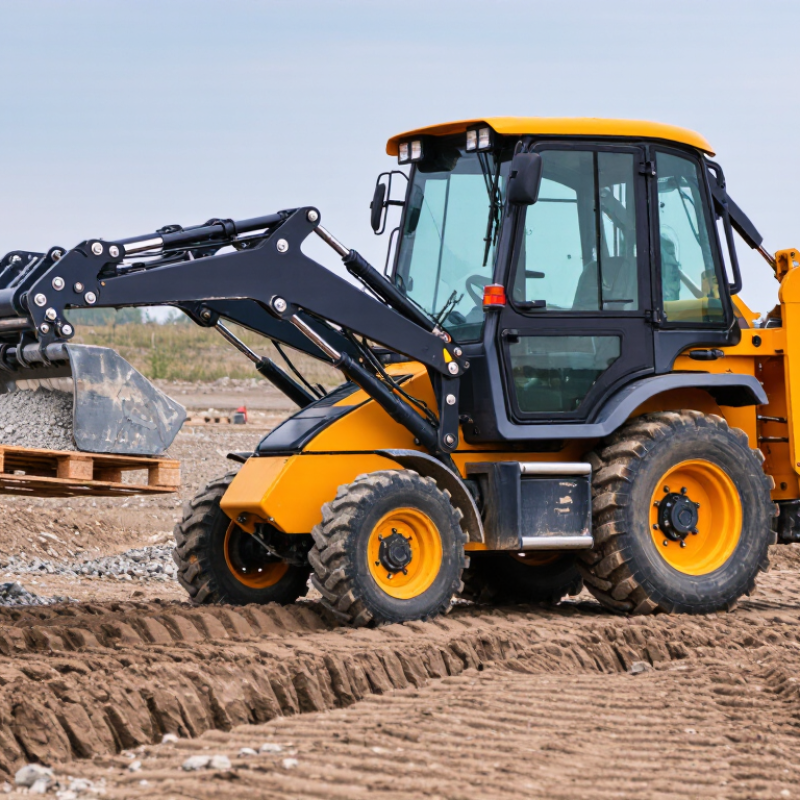
A Chinese mini loader’s rated lift capacity is not a promise for every surface. ISO 14397-1:2007 describes test procedures for verifying rated operating capacity against tipping load. Under common SAE J818 rating practice, wheeled skid-steer loaders are often rated at 50% of tipping load; tracked machines may use a 35% basis. These are test-based ratings, not safe payloads for every job. Check the machine’s data plate and test documentation. Attachment weight also reduces the material you can carry.
Uneven ground changes the risk. A side slope shifts the load toward the downhill wheels or tracks, while soft soil can let one side sink. There is no universal percentage that safely derates capacity across all slopes and soil conditions. A 300 kg load may feel manageable on firm ground, then become unstable when the bucket rises or the loader turns. Small slopes matter. Operators should treat the rated figure as a level-ground reference, not a field guarantee.
Tips: Keep the load low and close to the machine while travelling. Avoid sharp turns on slopes, and stop if a wheel or track begins to sink. Recheck capacity after fitting a heavier attachment; this step is easy to overlook. Refer to ISO 14397-1:2007 and SAE J818, plus the loader’s specific test sheet.
Before estimating lift, identify the exact mini loader model and check its operator manual or machine data plate. Similar-sized loaders can have different rated operating capacities and lift paths. Rated capacity is not the same as the maximum weight the machine can briefly raise. Small details matter.
Next, match the attachment to the job. A bucket, pallet fork, and grapple each add weight and shift the load’s center. Forks may place a load farther ahead of the front wheels, reducing practical capacity. Check the attachment’s own weight and the loader’s approved capacity for that setup. Then note the required lift height: raising a load high can change stability, especially when the load is extended forward.
Uneven ground makes the estimate less certain. A sloping, rutted, or soft surface can shift weight and reduce traction, even when the load is below the published rating. Keep the load low while moving, approach the pile slowly, and avoid turning across a slope. A level test area is useful, but it does not reproduce every site condition. Honestly, the data plate alone cannot tell you how a machine will behave on a muddy patch or beside a rut. Check the manual’s operating limits and reassess the surface before lifting.
A mini loader’s rated lift capacity usually assumes firm, level ground and a specified load position. Uneven ground changes that picture. One tire or track may rise over a rut while the opposite side settles, tilting the chassis and shifting the load’s center of gravity. Even a modest bucket of gravel can feel different when carried across a cross-slope. Small bumps matter.
Watch the machine, not just the load chart. If the frame leans, a tire lifts, or the attachment begins to sway, stop and lower the load before repositioning. Keep the bucket low while traveling, move slowly, and avoid turning with a raised load. Wet soil, loose gravel, and hidden holes add uncertainty; a route that looked flat from the cab may not be. There is no neat capacity figure for every uneven surface. Check the operator’s manual for limits and site-specific guidance, and do not treat a successful lift as proof that the next one is safe. That caution can feel excessive. It isn’t.
The chart shows the downhill component of gravity on a slope, calculated as sin(slope angle) × 100. This physical relationship helps explain why side slopes can make a raised load less stable.
Important: These values describe the gravity component, not a loader’s safe lifting capacity. Actual lift limits depend on the specific machine, attachment, load position, and ground conditions. Check the machine’s load chart and avoid lifting on sloped or unstable ground.
Estimating a safe load on a slope starts with the machine’s rated capacity, but that figure is not a guarantee for uneven ground. Check the operator’s manual for limits with the fitted attachment and load position. A bucket filled with wet soil can shift forward, while a pallet may place its weight farther from the machine. Small changes matter.
Walk the route before loading. Look for soft edges, loose gravel, ruts, and hidden holes. Keep the load low while traveling, move slowly, and avoid sharp turns on sloping ground. Follow the manual’s instructions for machine orientation on grades; models can differ. If the surface feels unstable, reduce the load or choose a flatter route. Stop if a wheel or track begins to sink. That is a warning, not a test.
A neat capacity calculation can still mislead. I would rather make a cautious estimate, then reassess after a short, controlled movement. Watch for unexpected tilt, bouncing, or steering changes. Do not lift high on a slope just to see whether the loader can manage it. When the ground is irregular, a smaller load and a slower approach usually provide more control.
A mini loader’s lifting figure only makes sense beside its test conditions. Ask for the rated operating capacity, tipping load, and the method used to calculate them. These numbers are not interchangeable. A machine tested on firm, level ground may handle less on ruts, loose gravel, or a cross-slope. The difference can be significant.
Check the actual work area before lifting. Look for soft edges, hidden dips, wet soil, and compacted tire tracks. A bucket full of damp soil shifts differently from a light, evenly spread load. Keep the load low while moving, and avoid turning across uneven ground. Small corrections matter. Still, a quick visual check can miss a buried hollow, so inspect the route on foot when practical.
Compare the load’s weight and position with the manual’s limits, including any attachment. A longer fork or raised load can increase leverage and reduce stability. If the ground is sloped, ask the manufacturer for guidance on capacity under that condition rather than guessing from the level-ground rating. Ratings are useful, but they do not describe every job. That is an easy detail to overlook. When the surface or load is uncertain, reduce the load and test carefully at low height before continuing.
It is a test-based reference, not a promise for every job. Treat it as a level-ground guide.
No. Rated capacity is based on tipping-load testing, but it is not the machine’s maximum brief lifting weight.
Find the exact model on its data plate. Check the operator manual and test documentation too.
Yes. A bucket, fork, or grapple adds weight. Forks can also move a load farther ahead of the front wheels.
Raising a load can change stability, especially when it extends forward. Keep the load low while travelling.
It can be. A load that feels manageable on firm ground may become risky when raised or turned.
Avoid sharp turns across slopes. Stop if a wheel or track starts sinking. Small slopes matter.
No. Mud, ruts, and uneven ground change traction and stability. The data plate cannot predict every patch. I can overlook that.
A mini loader’s rated lift capacity is a useful starting point, but it does not represent a guaranteed safe load in every situation. The actual limit depends on the loader model, the attachment being used, and the height and reach at which the load is carried. Before lifting, check the machine’s rating for the specific configuration, since different attachments and lift positions can change how much it can handle.
What is the lifting capacity limit for a mini loader on uneven ground? There is no single figure that applies to every loader or surface. Slopes, loose soil, ruts, and irregular ground can shift the machine’s balance and make a load less stable. Estimate a conservative safe load, keep it low and centered, and avoid lifting beyond the manufacturer’s guidance. Inspect the work area and account for changing conditions on site; if stability is uncertain, reduce the load or reposition the machine on firmer, more level ground.

BestDeal Forklifts